Fiddle-leaf figs are one of the most popular houseplants on Instagram and Pinterest. With their large, shiny green leaves, they have an instant statement-making effect on a room. But before they bring one home, many people want to know: “Is a fiddle-leaf fig high maintenance?”
The quick answer is yes, they do require more care than most houseplants, but with the proper routine, they’re not impossible to maintain.
This guide will help explain what “high maintenance” truly means, which tasks it includes, and how you can make taking care of your fiddle leaf fig a whole lot simpler.
What Does “High Maintenance” Mean for Plants?
When someone mentions that a plant is “high maintenance,” the general message behind the statement is:
- It needs a certain amount of light, water, or humidity.
- It responds promptly to mistakes (falling leaves, yellowing, etc.).
- It requires monitoring, not neglect for weeks.
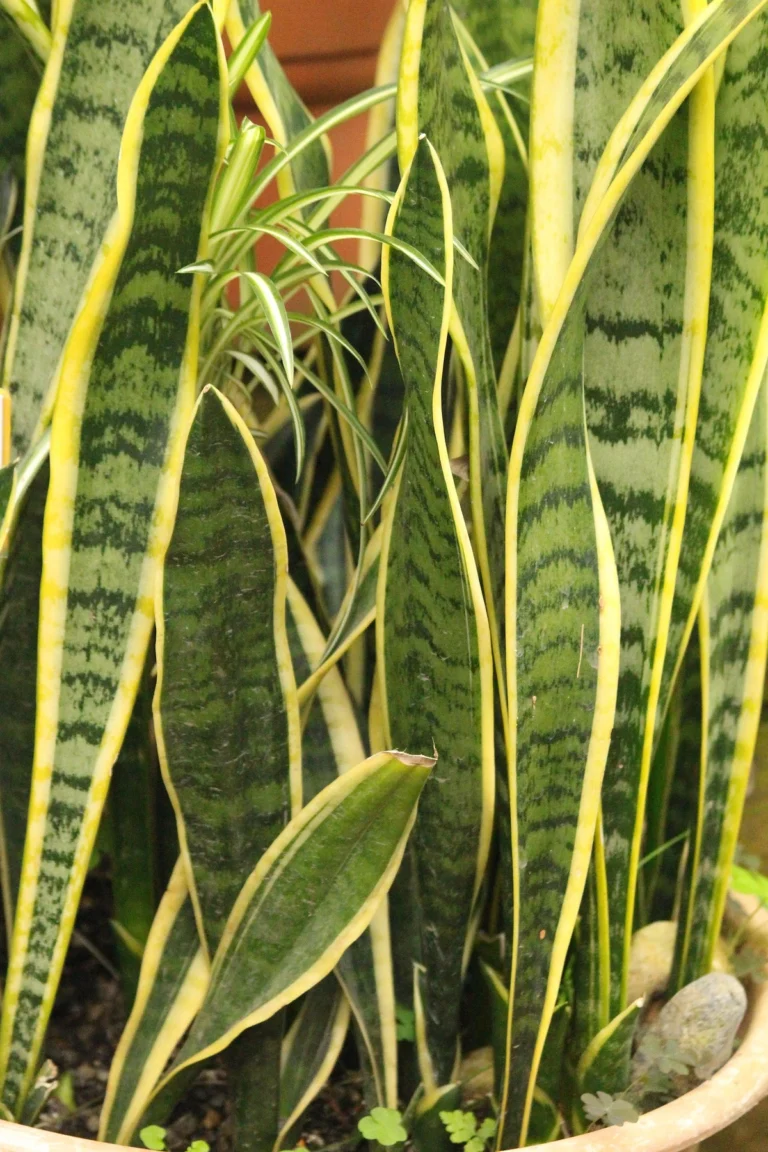
Easy, low-maintenance plants, such as snake plants or pothos, thrive on neglect. Fiddle-leaf figs?
Not so much. Treat them right, and they will reward you with lush growth; ignore them, and they will sulk.
What a Fiddle Leaf Fig Demands: Care Tasks That Can’t Be Ignored
Light Requirements
Fiddle-leaf fig trees require a position receiving high, indirect sunlight for 6–8 hours daily. Direct sunlight burns leaves to a crisp, whereas not enough light results in leaf drop. Put them in a large sunny window with indirect light.
Watering & Soil
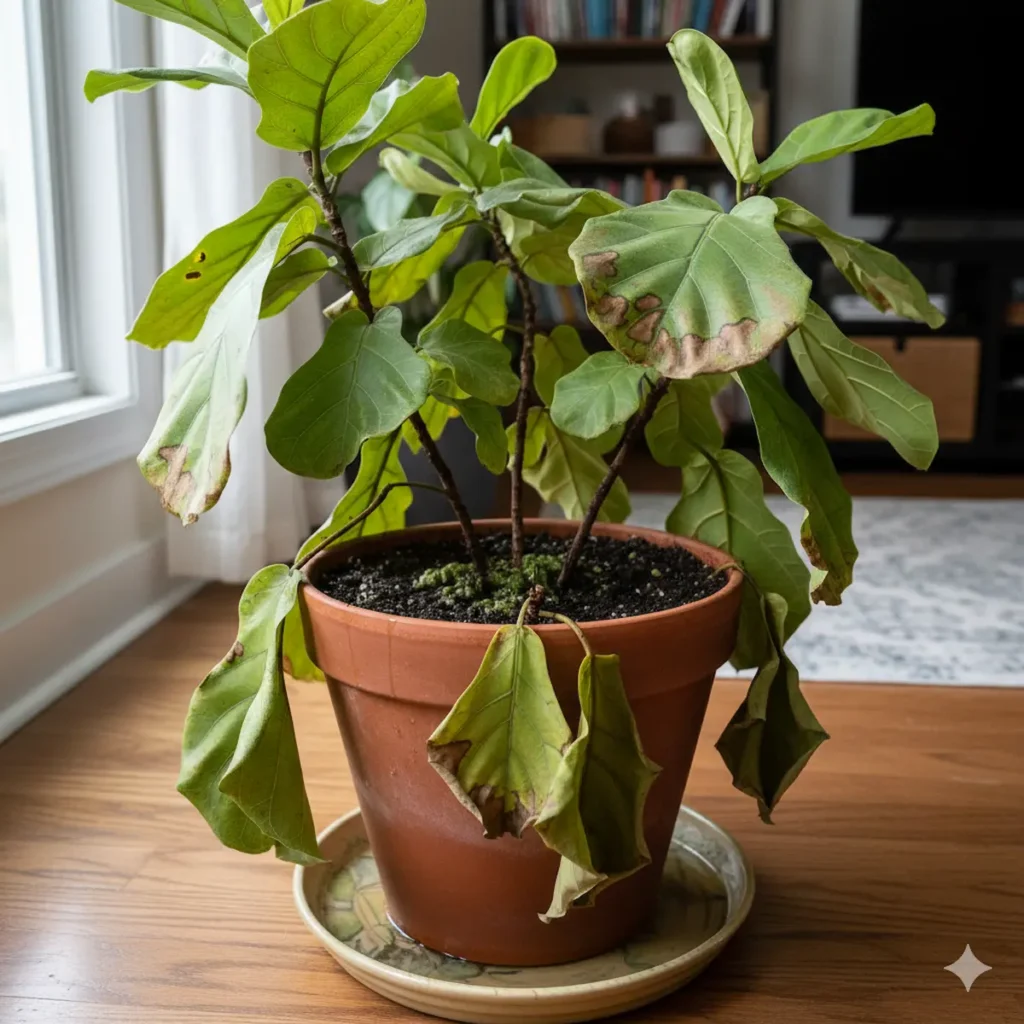
Overwatering is the error most often committed. The top 1-2 inches of soil should be allowed to dry out before being watered again. Plant in an area that has good drainage or use a pot with drain holes. Signs of problems:
- Yellow leaves = overwatering
- Crispy edges = underwatering
Humidity & Temperature
Tropical Africa is the natural home for these plants, where they thrive in humidity hovering around 50 to 60 percent and temperatures of about 60–75 degrees Fahrenheit (15–24°C). Moisten the air with a humidifier or pebble tray in dry homes, particularly during the winter.
Leaf Care & Cleaning
Their broad leaves also become coated with dust, which prevents them from getting enough sunlight. Dust the leaves with a damp cloth or sponge occasionally, every few weeks. This also allows you to notice early pest symptoms.
Fertilizing & Repotting
Feed monthly in spring and summer with a balanced houseplant fertilizer. Transplant every 1–2 years as the roots get too large for the pot.
Pest Monitoring
Some sensitive growers may also see their plants getting infested with spider mites, scale, or mealybugs. Frequent leaf checks will keep them in check.
How Hard Is It Really?
Yes, fiddle-leaf figs are more high-maintenance than snake plants or ZZ plants. These won’t thrive in dark corners or with irregular watering.
That’s not to say that you can grow them like your average ficus, although they’re not quite as persnickety as orchids or bonsai. If you can carve 10–15 minutes out of your week to check soil, wipe leaves, and rotate their spot, there’s no reason why your fiddle leaf fig won’t be fine.
Consider it on par with a “moderate care” plant—not impossible but not a “set-and-forget” type either.
Common Mistakes Beginners Make
- Siting the plant in a dark corner with no indirect light.
- Overwatering, leading to root rot.
- Moving the plant around too much—fiddle-leaf figs prefer stability.
- Neglecting low humidity—especially during the winter.
- Not dusting leaves, reducing photosynthesis.
This can save you much frustration.
How to Reduce Maintenance Overhead
- Utilize a moisture meter to prevent overwatering.
- If your air is dry, invest in a humidifier.
- Stand in one firm, well-lit position and refrain from frequently changing.
- Establish a schedule for wiping down the leaves once a month.
- Try self-watering pots to maintain a more constant level of moisture.
When the Fiddle Leaf Fig Might Not Be Up Your Alley
Skip this plant if:
- You are often on the road and can’t visit plants every week.
- You have no bright light in your home and are not going to buy grow lights.
- You prefer zero-effort plants.
Instead, opt for low-lift options such as snake plants, rubber plants, or monstera.
Some Queries!
Do fiddle-leaf figs require a lot of sunlight?
Yes, they do require 6–8 hours of bright, indirect sunlight at least daily.
Are fiddle-leaf figs good for beginners?
With basic care rules, they can be handled by beginners but are not as forgiving as snake plants or pothos.
How often should I water a fiddle-leaf fig?
Typically at about 7-10 day intervals, but allow soil to dry out before watering.
Why do fiddle-leaf fig leaves drop so easily?
Leaf drop typically occurs from low light, overwatering, or sudden environmental changes.
How much time does it take to care for a fiddle-leaf fig weekly?
10-15 minutes—checking soil, cleaning leaves, and adjusting its position if necessary.
Can fiddle-leaf figs survive in low light?
No, they want bright, indirect light. In low light, leaves turn yellow and drop.
What’s the biggest challenge with fiddle-leaf figs?
Maintaining the balance of not overwatering and yet not letting them get too dry.
Are they toxic to pets?
Yes, fiddle-leaf figs are toxic to cats and dogs if consumed—they’re considered mildly toxic but not lethal.
Do fiddle-leaf figs improve indoor air quality?
Sure, like a lot of houseplants, they improve the quality of indoor air, but really their primary value is cosmetic.