Home decor styles are visual languages. Each Types of Home Decor Styles has its own colors, materials, and design logic. Some styles focus on comfort, while others highlight form or structure. Understanding these differences makes it easier to design a home that feels balanced and personal. A well-chosen style also helps avoid costly design mistakes.
Modern Home Decor Style
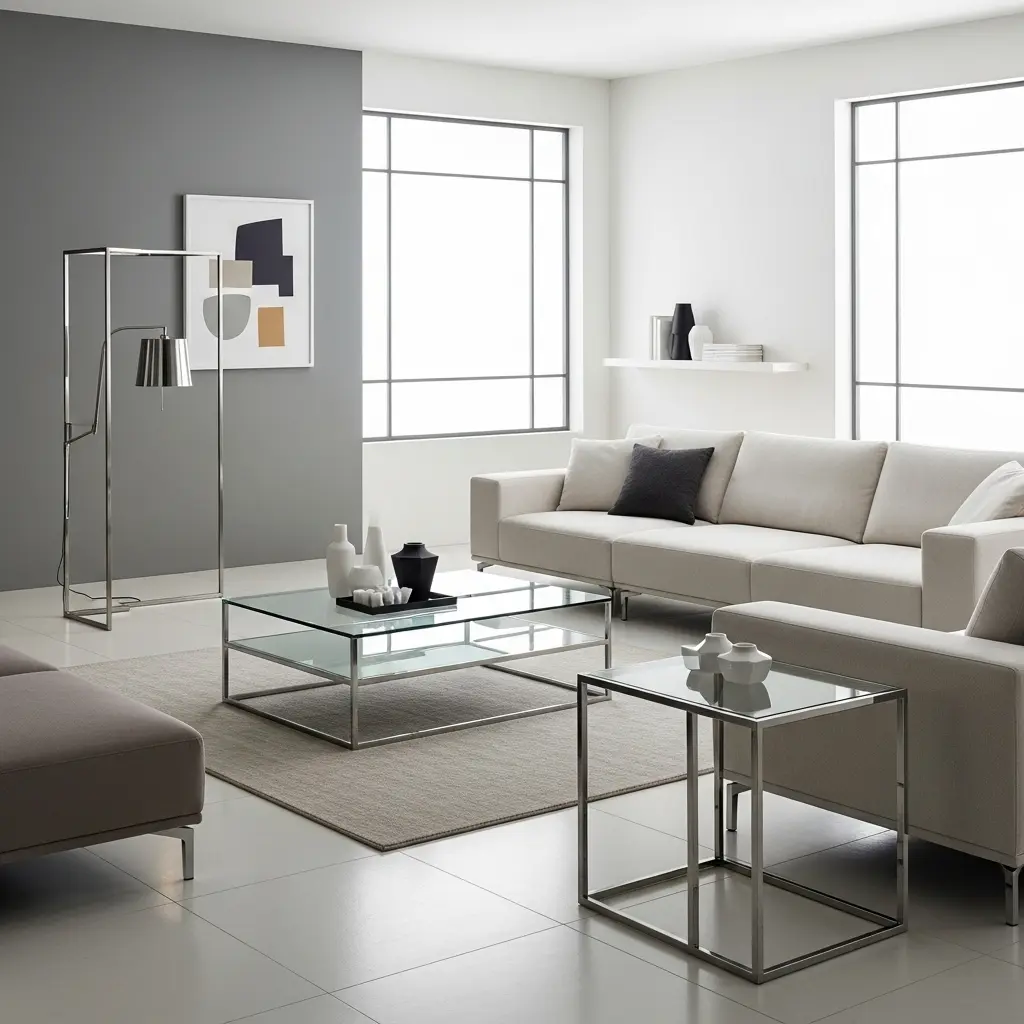
Modern home decor focuses on clean structure and clarity. It avoids excess and highlights function. Furniture often has straight lines and smooth finishes. Materials like glass, steel, and concrete are common. This style works well in urban homes where space and light matter most.
Contemporary Home Decor Style
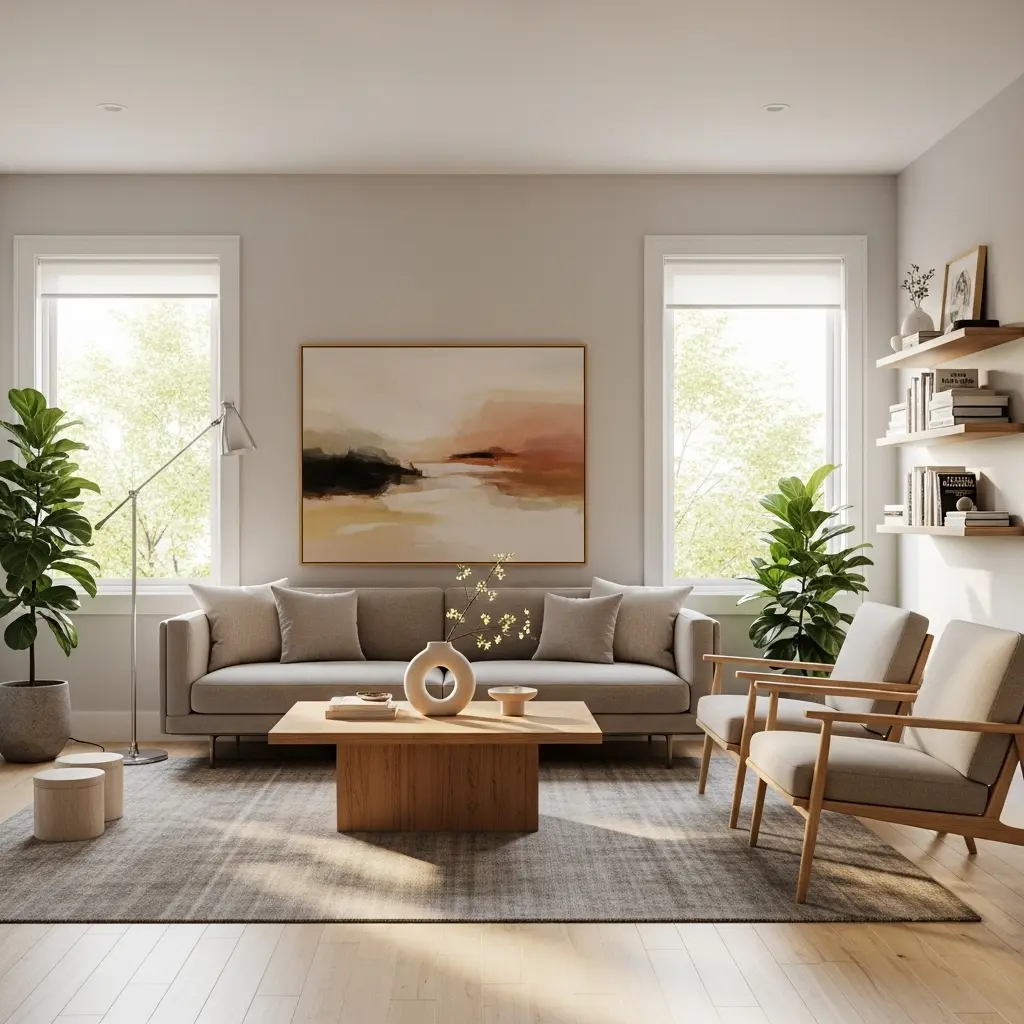
Contemporary decor reflects how people live today. It evolves with time, unlike modern style, which follows a fixed era. Neutral colors dominate, with bold accents used carefully. Open layouts and natural light are key features. This style feels fresh and adaptable in changing homes.
Traditional Home Decor Style
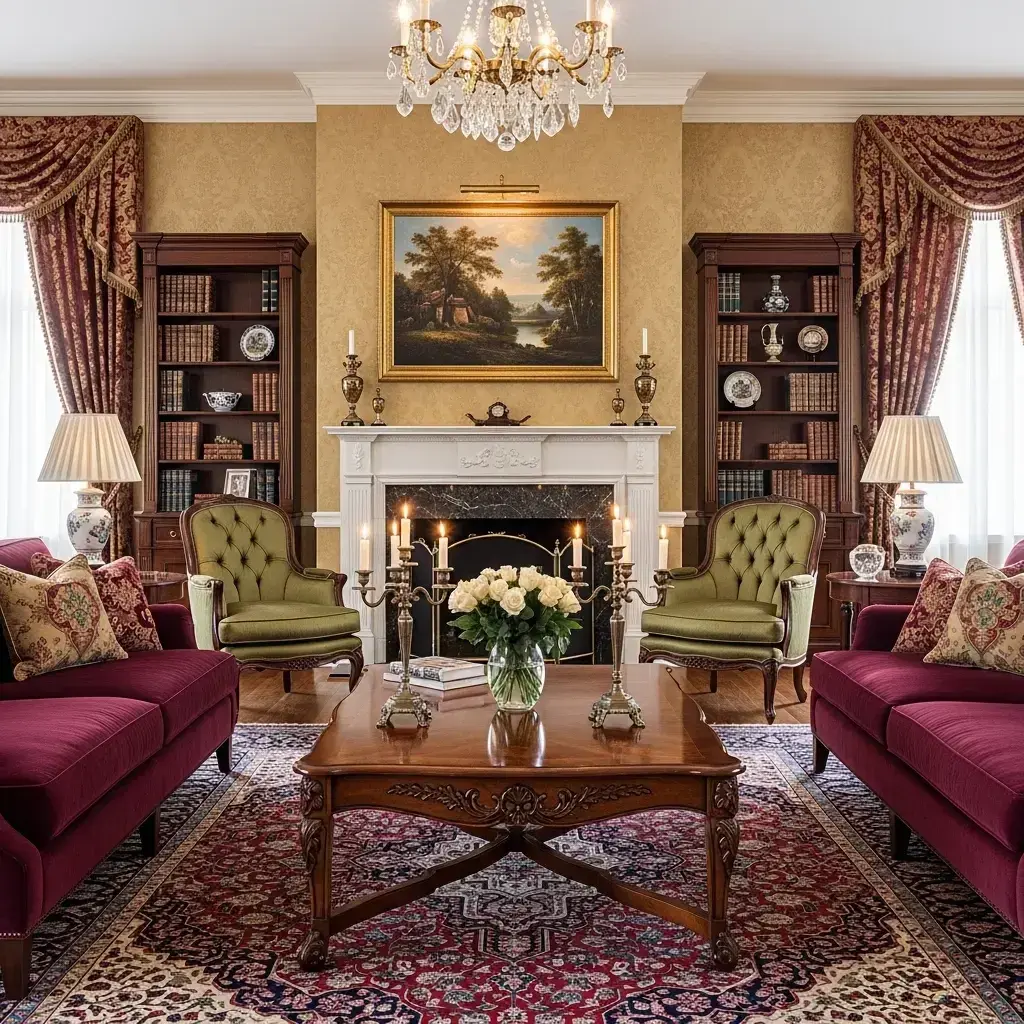
Traditional decor is rooted in classic European design. It values symmetry, detail, and craftsmanship. Rich wood tones, layered textiles, and elegant furniture define this style. Homes with traditional decor often feel warm and familiar. It suits people who prefer timeless comfort over trends.
Transitional Home Decor Style
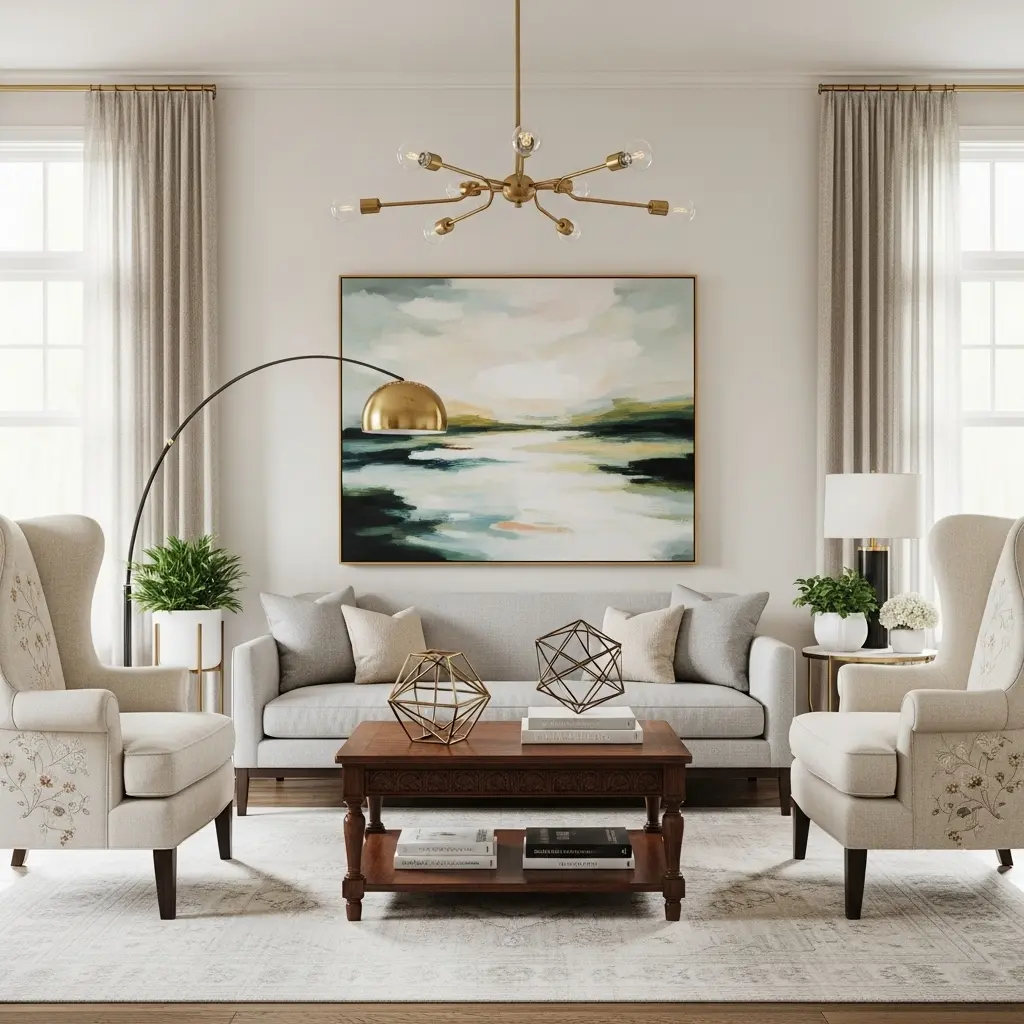
Transitional style blends traditional warmth with modern simplicity. It removes heavy details while keeping balance and structure. Soft colors and refined textures create a calm space. This style works well for families who want flexibility. It feels polished without being formal.
Mid-Century Modern Home Decor Style
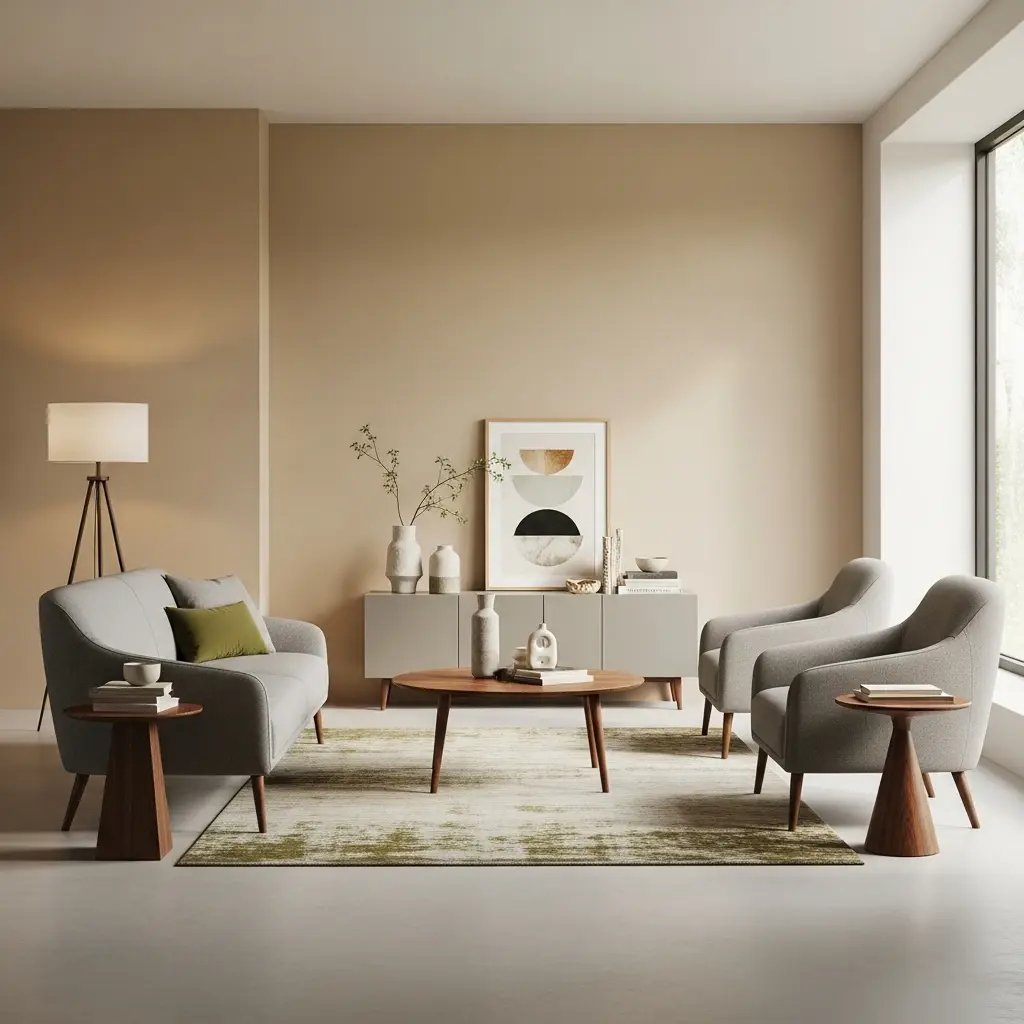
Mid-century modern decor comes from the 1940s to 1960s design movement. It values function, organic shapes, and simplicity. Furniture often sits low with tapered legs. Wood, leather, and muted colors are common. This style fits both small and open homes.
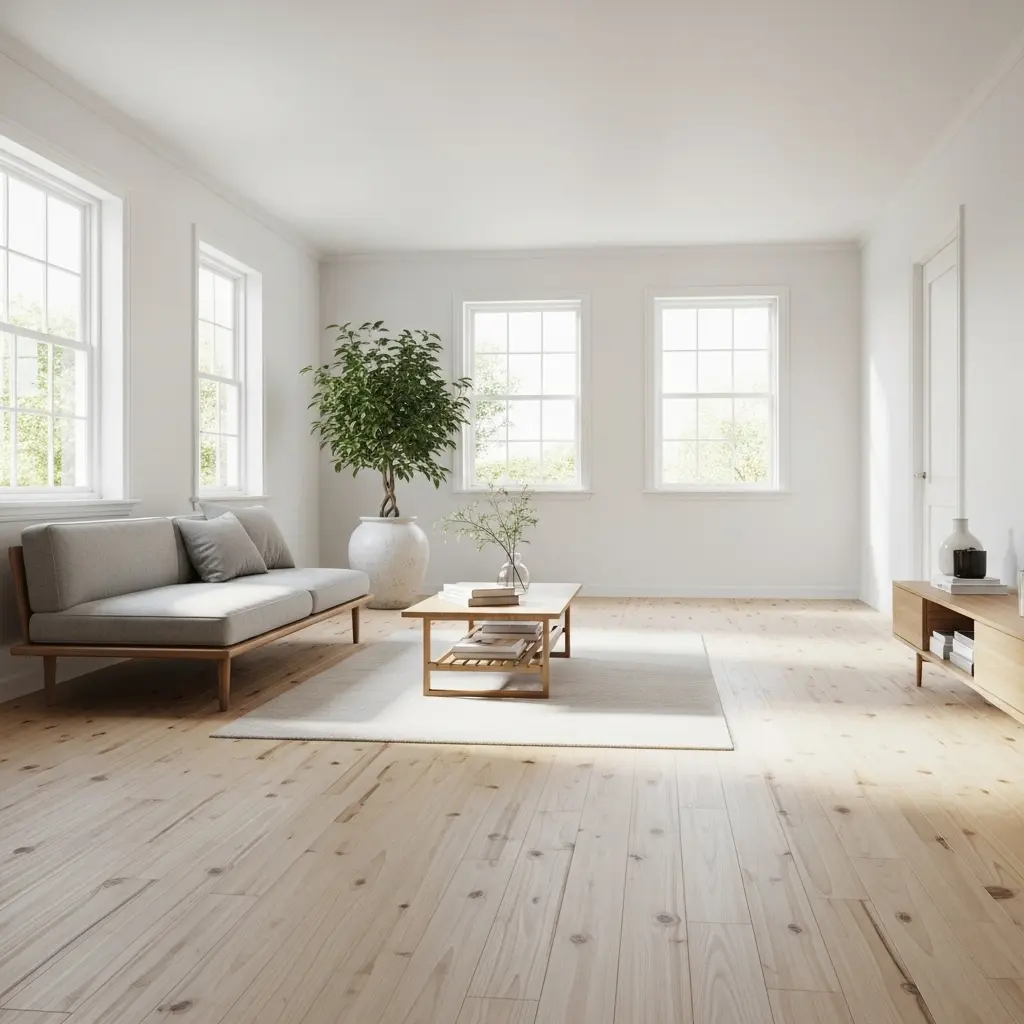
Scandinavian Home Decor Style
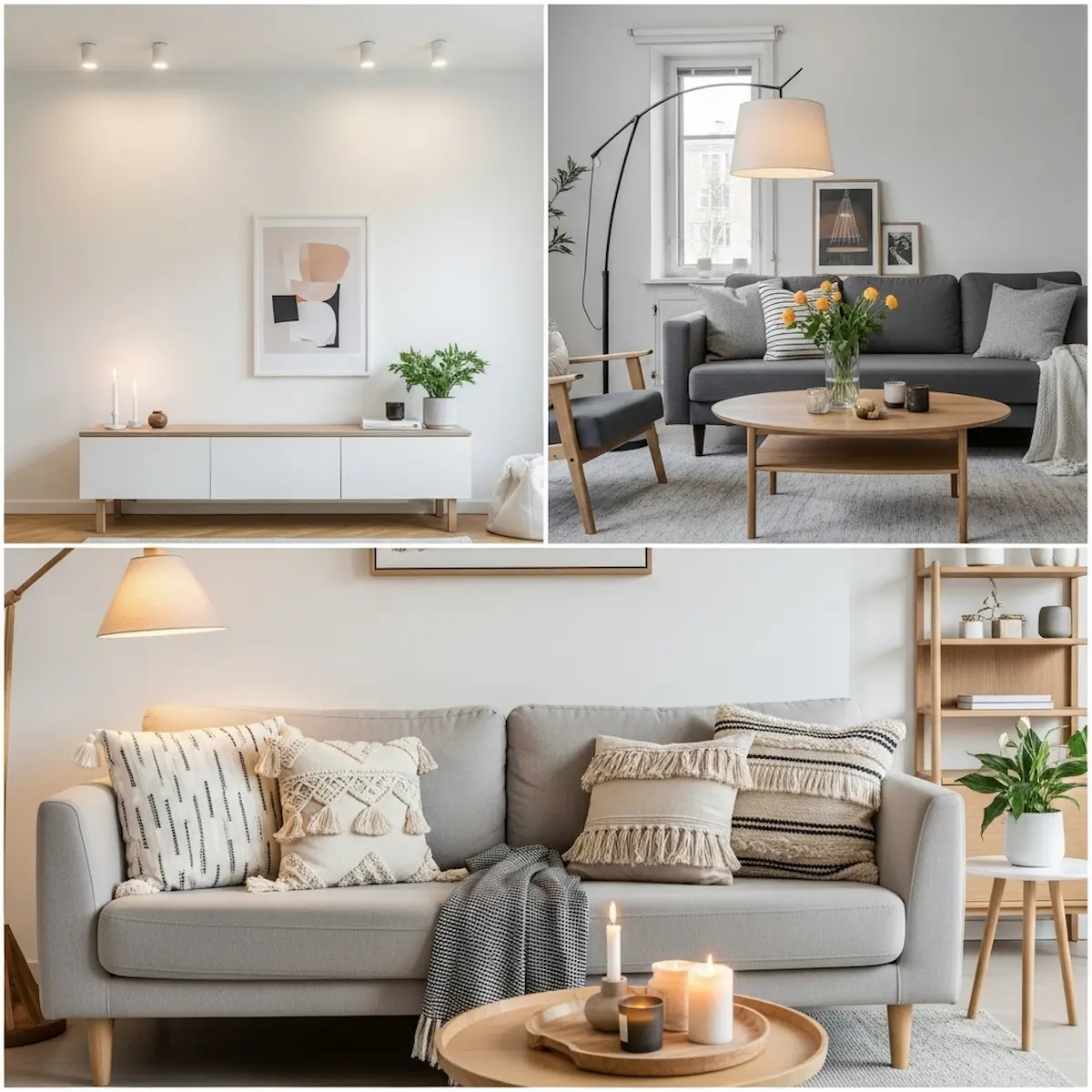
Scandinavian decor focuses on comfort and light. It uses soft neutrals, natural wood, and simple forms. The goal is to create a calm and practical living space. This style works well in cold or low-light regions. It feels cozy without clutter.
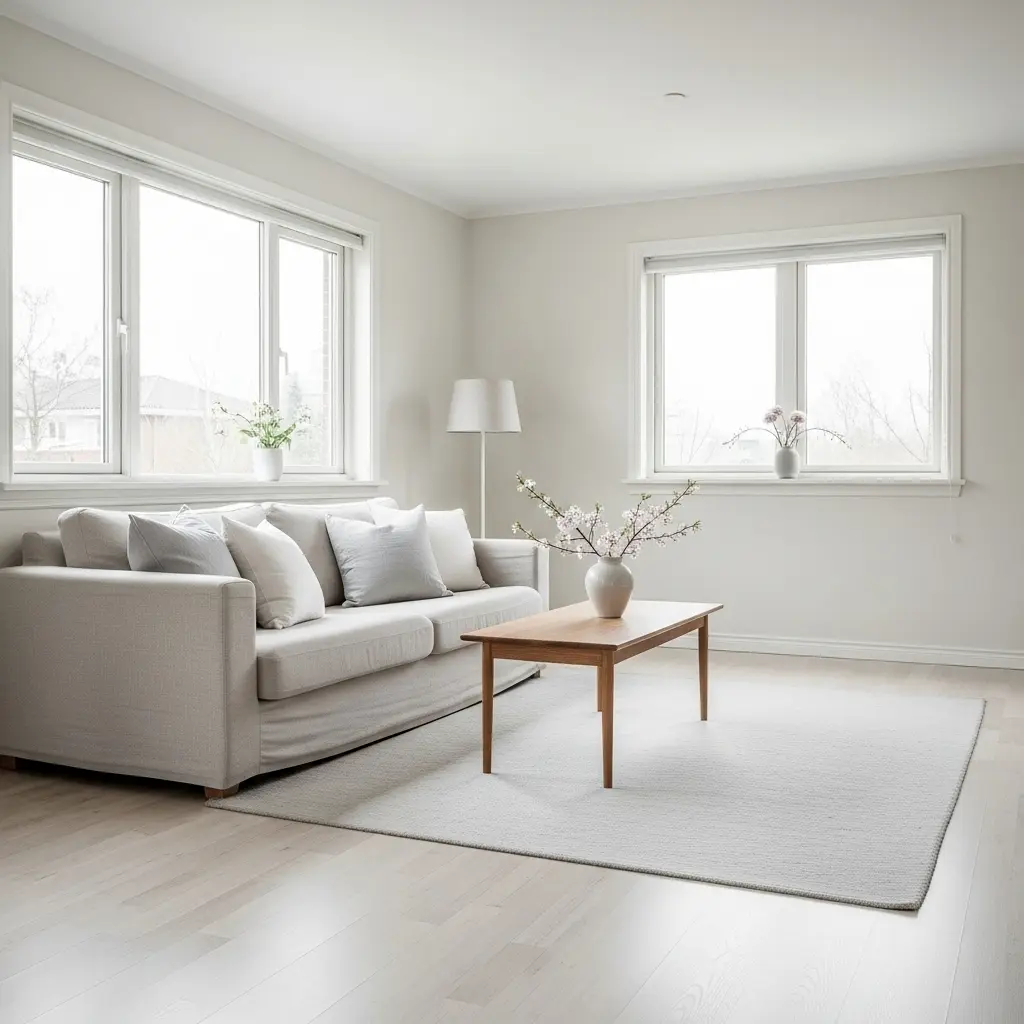
Minimalist Home Decor Style
Minimalist decor removes what is not needed. Every object has a clear purpose. Colors are often neutral and calming. Open space is treated as part of the design. This style supports mental clarity and easy maintenance.
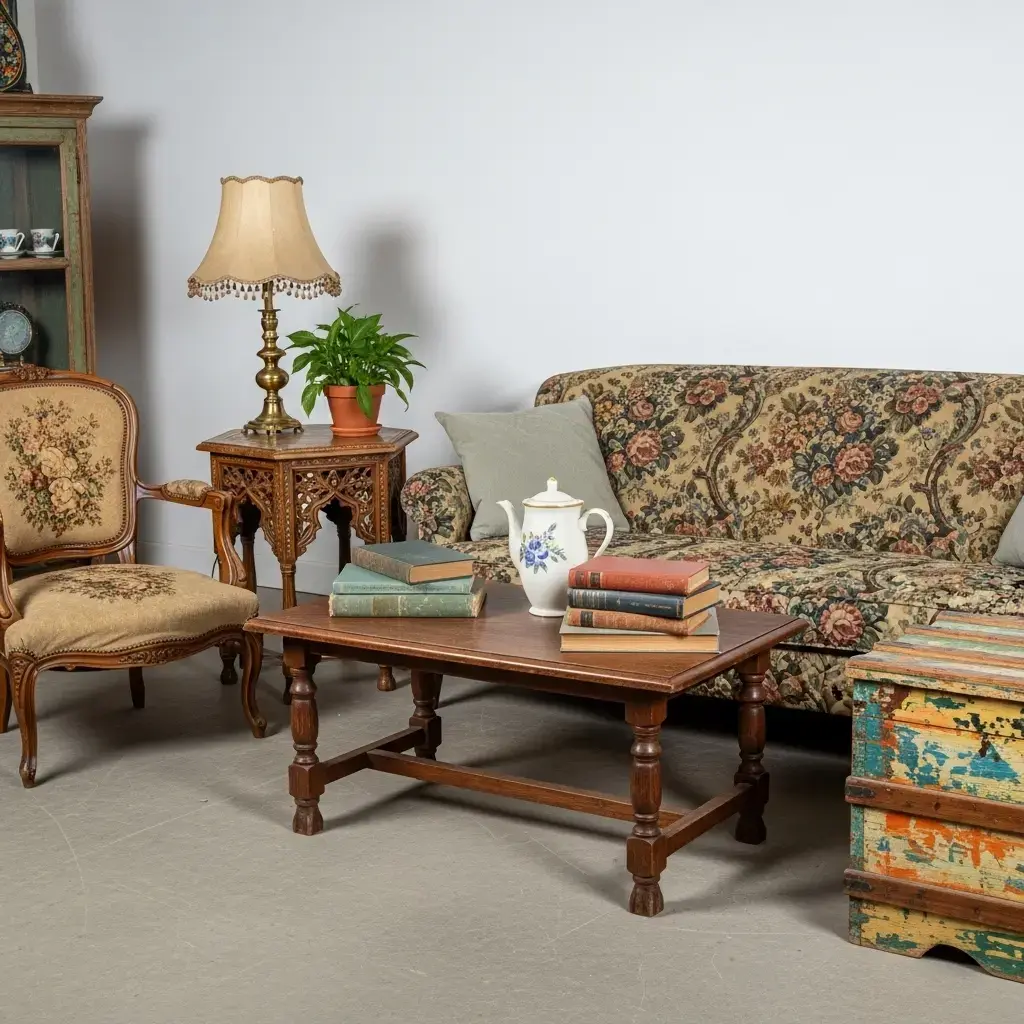
Bohemian Home Decor Style
Bohemian decor is expressive and layered. It mixes colors, patterns, and textures freely. Handcrafted items and global influences are common. This style reflects personal stories and travel experiences. It works best when curated, not crowded.
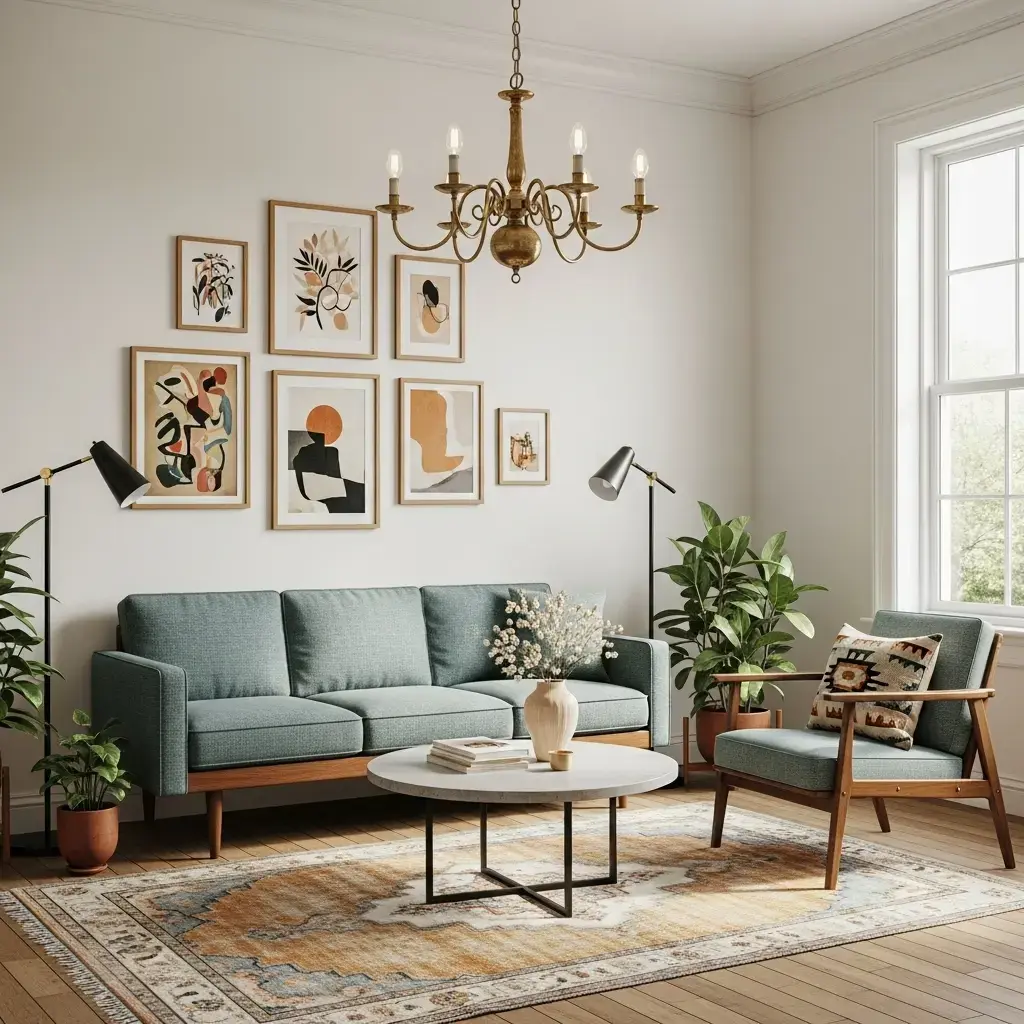
Eclectic Home Decor Style
Eclectic decor combines elements from different styles. The key is balance, not randomness. A consistent color palette helps unify the space. This style suits creative homeowners. It allows freedom while still feeling intentional.
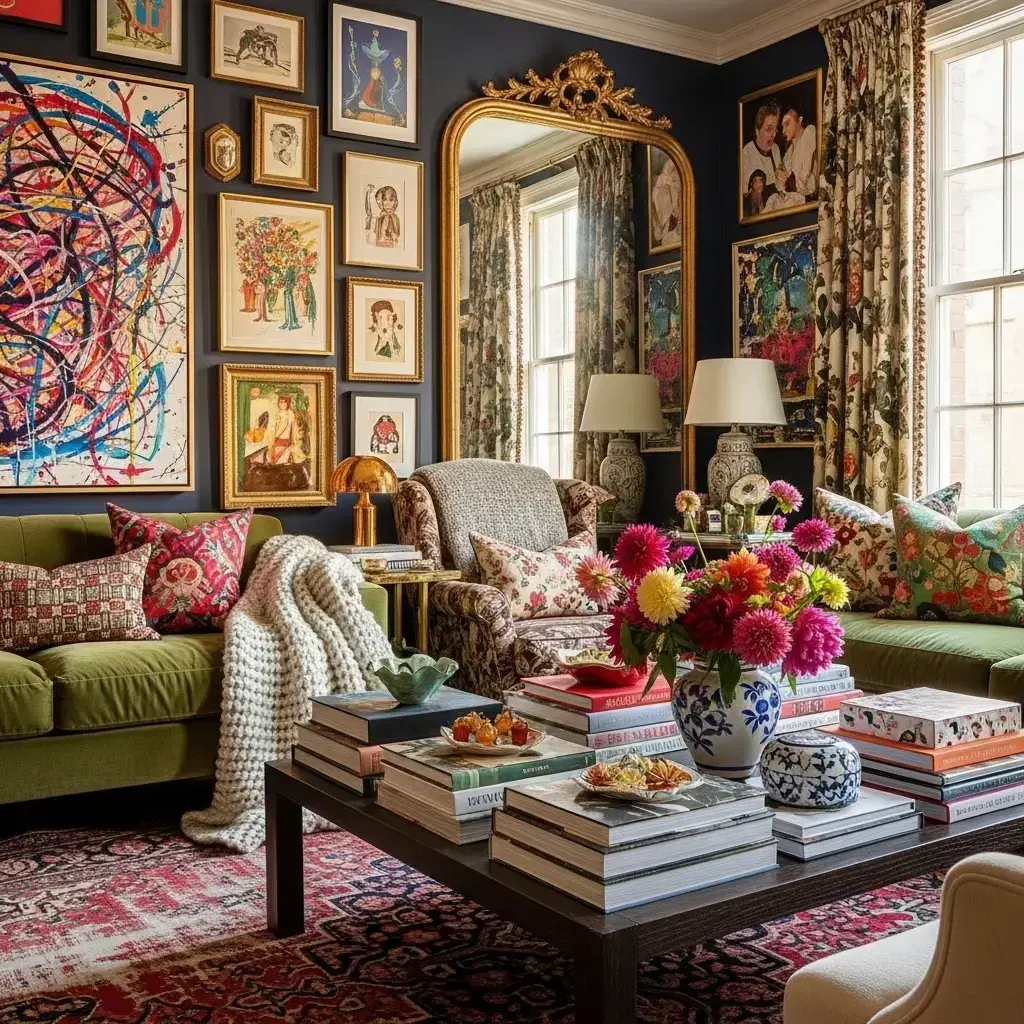
Maximalist Home Decor Style
Maximalist decor celebrates abundance and personality. Bold colors, art, and layered decor fill the space. Every corner tells a story. This style requires thoughtful planning to avoid chaos. It works well in homes with strong natural light.
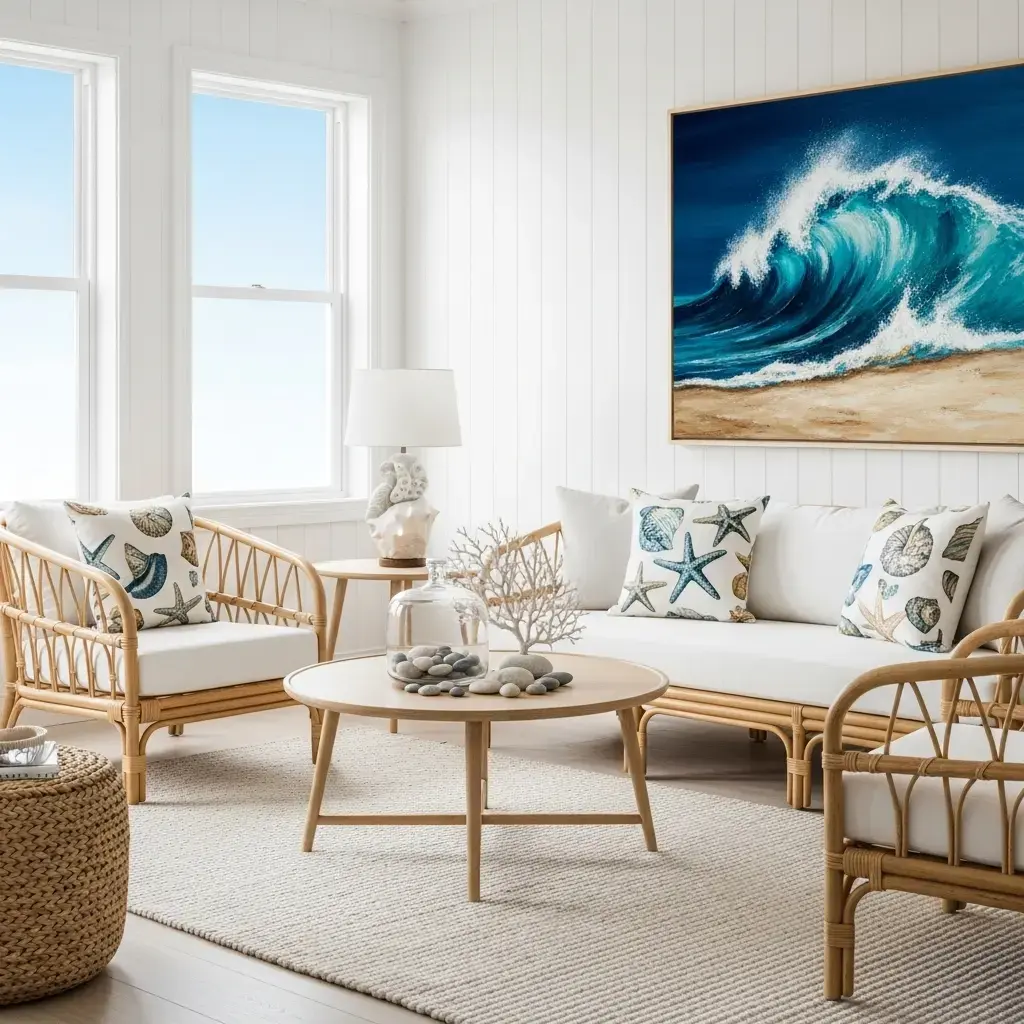
Coastal Home Decor Style
Coastal decor is inspired by the sea and shoreline. It uses light colors, natural textures, and airy layouts. Linen, rattan, and weathered wood are common materials. This style promotes relaxation. It suits homes in both coastal and inland areas.
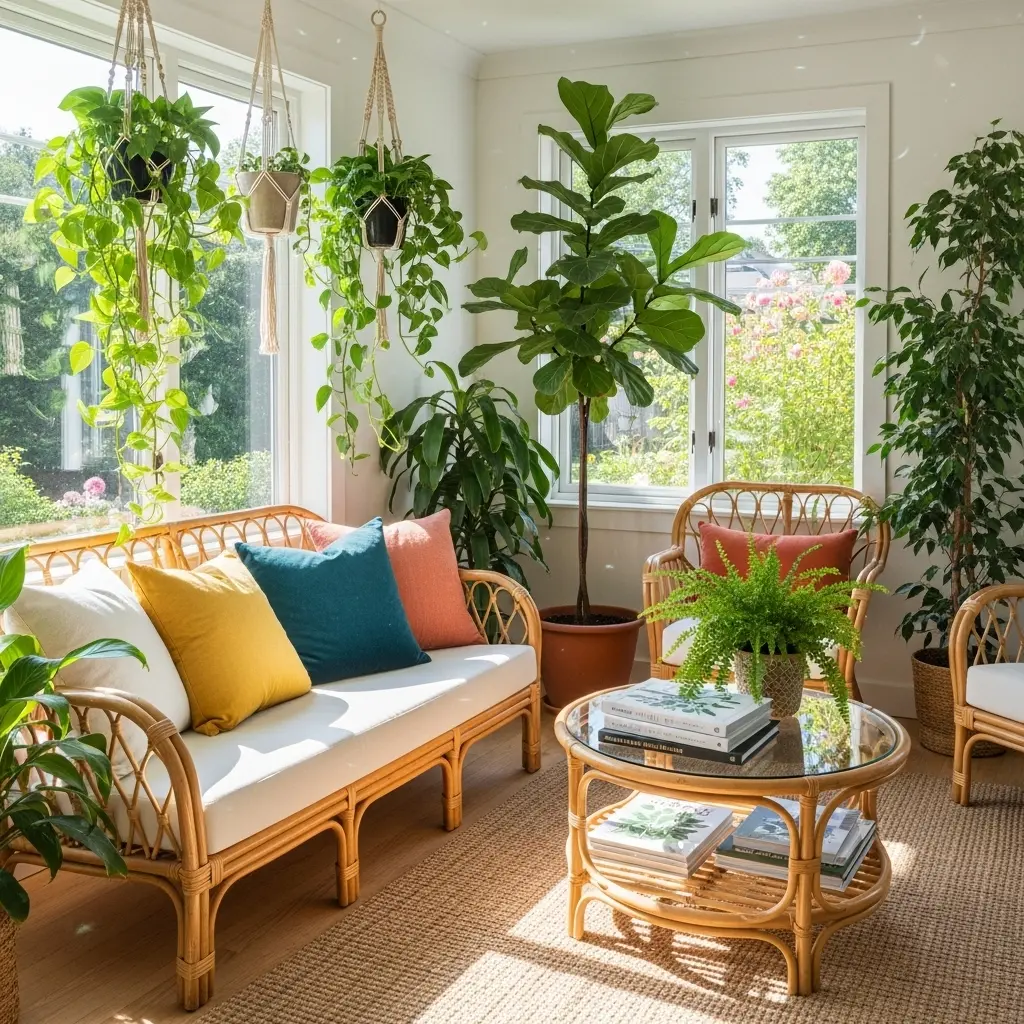
Tropical Home Decor Style
Tropical decor draws from warm climates and lush landscapes. Greenery plays a central role. Bright accents and natural fibers create energy. This style feels vibrant and welcoming. It works well in sun-filled spaces.
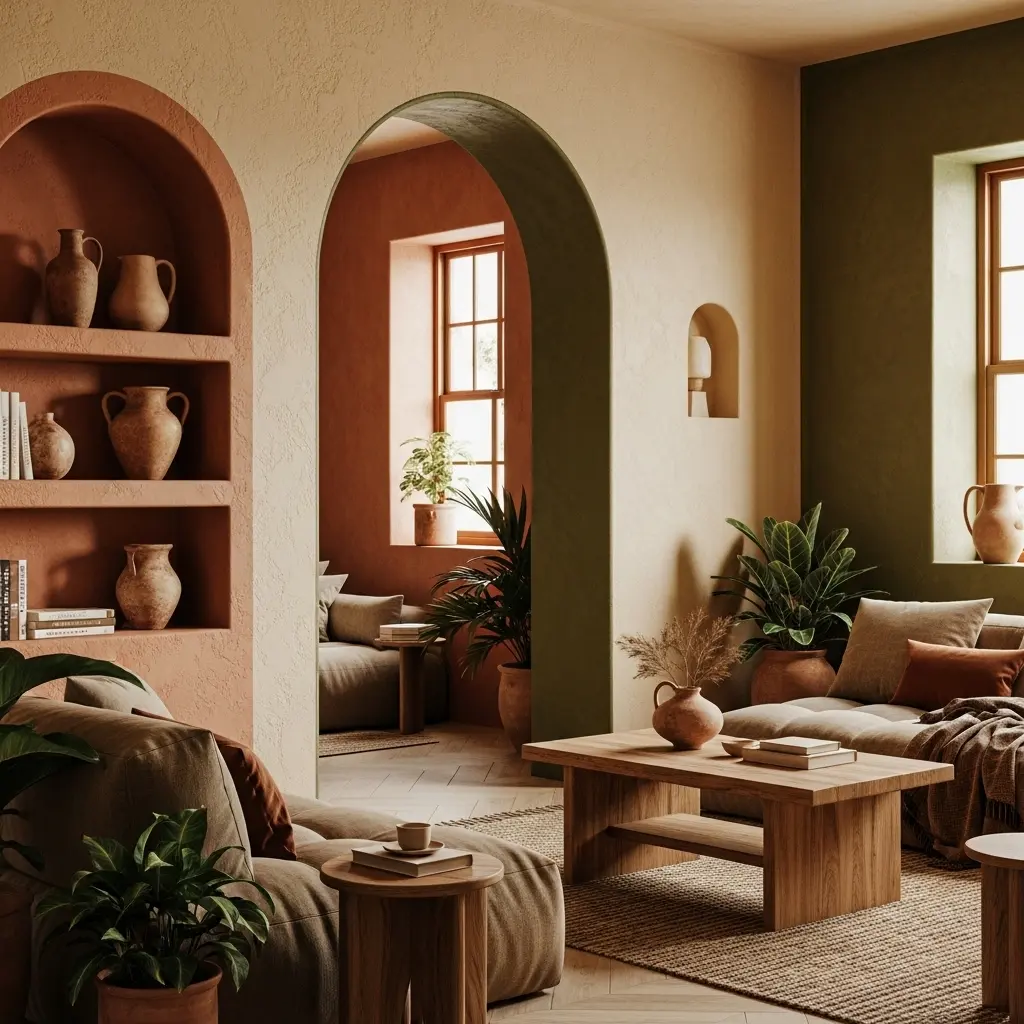
Mediterranean Home Decor Style
Mediterranean decor reflects Southern European architecture. Earthy colors, textured walls, and arched details are common. Stone, tile, and wood add depth. This style feels grounded and timeless. It suits homes with open layouts.
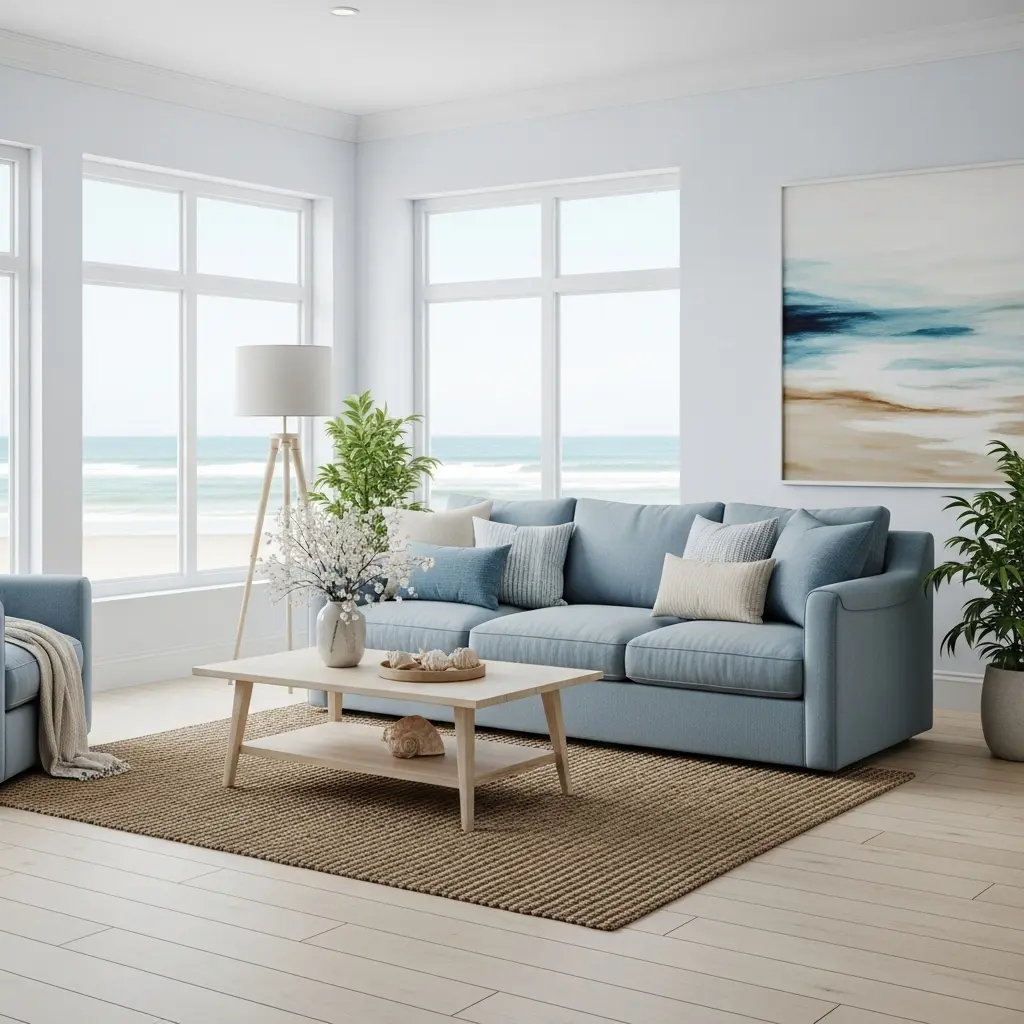
California Coastal Home Decor Style
California coastal decor is relaxed and modern. It blends beach elements with clean lines. White walls, light wood, and soft blues define the look. This style feels casual yet refined. It supports indoor-outdoor living.
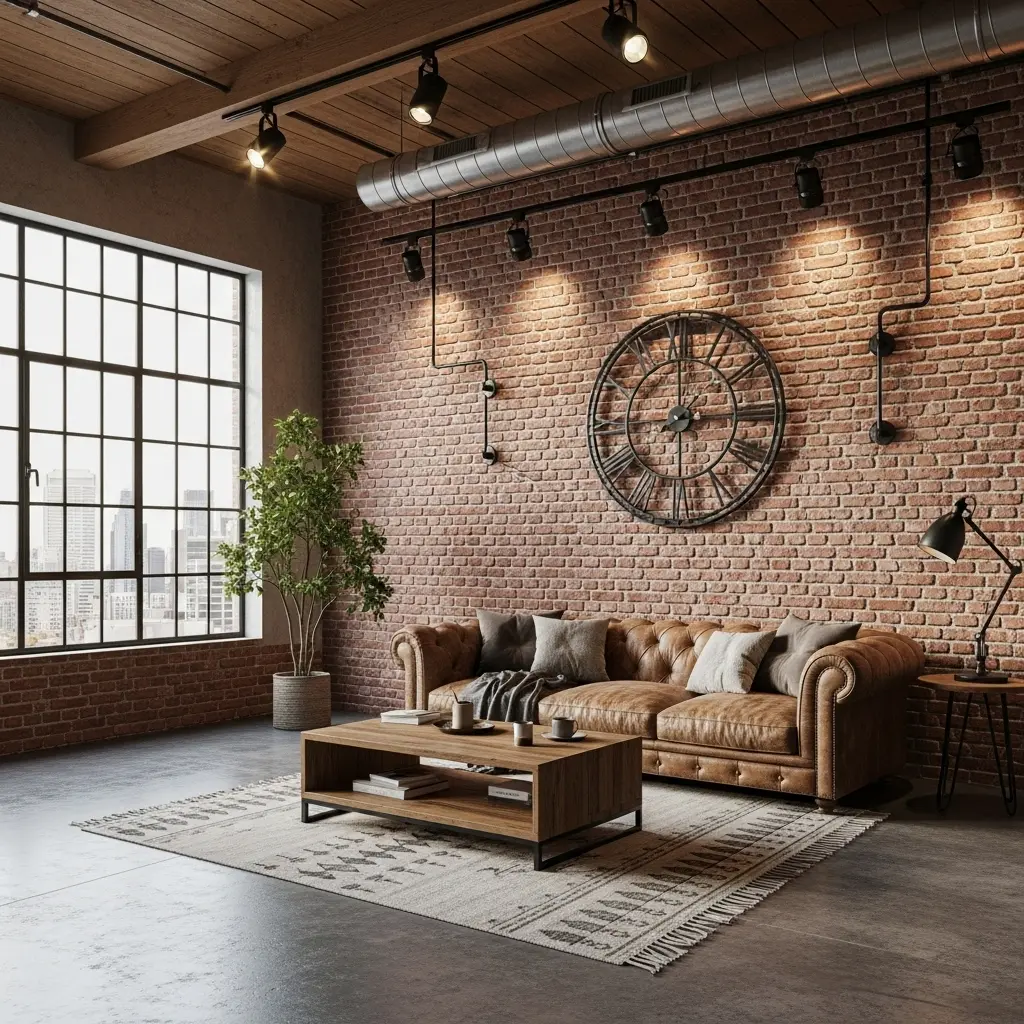
Industrial Home Decor Style
Industrial decor comes from converted warehouses and lofts. Exposed brick, metal, and raw finishes define the style. Furniture is sturdy and functional. This look celebrates structure and history. It works best in open spaces.
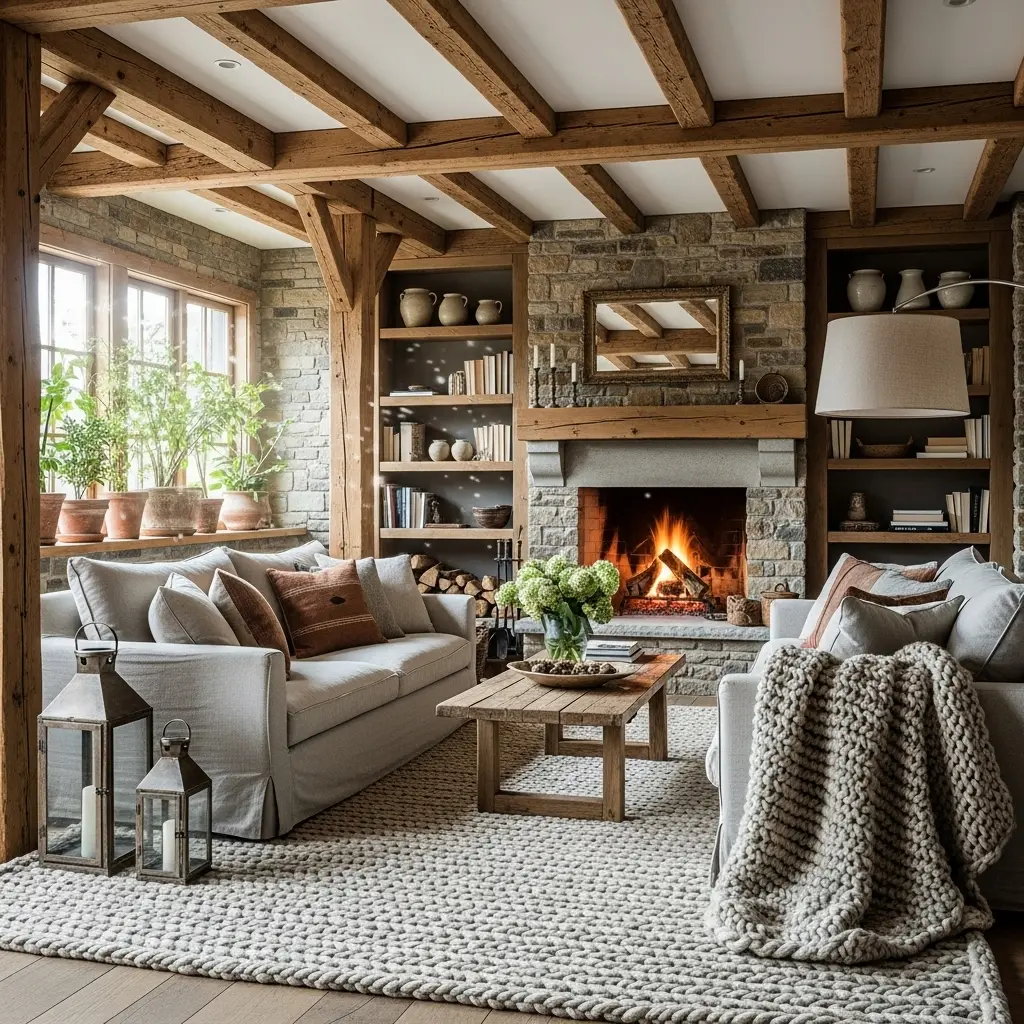
Rustic Home Decor Style
Rustic decor is inspired by nature and rural living. It uses raw wood, stone, and natural textures. The focus is on warmth and authenticity. This style feels grounded and comforting. It suits cabins and country homes.
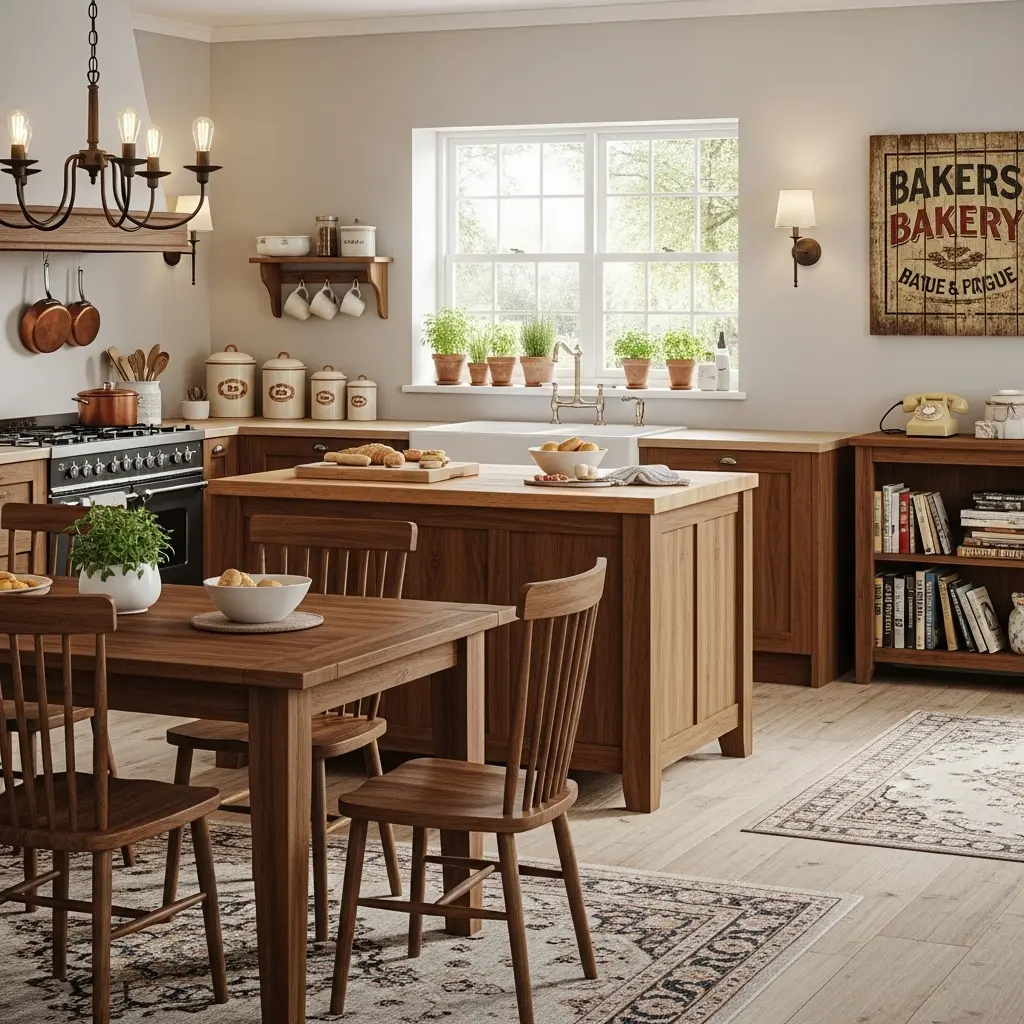
Farmhouse Home Decor Style
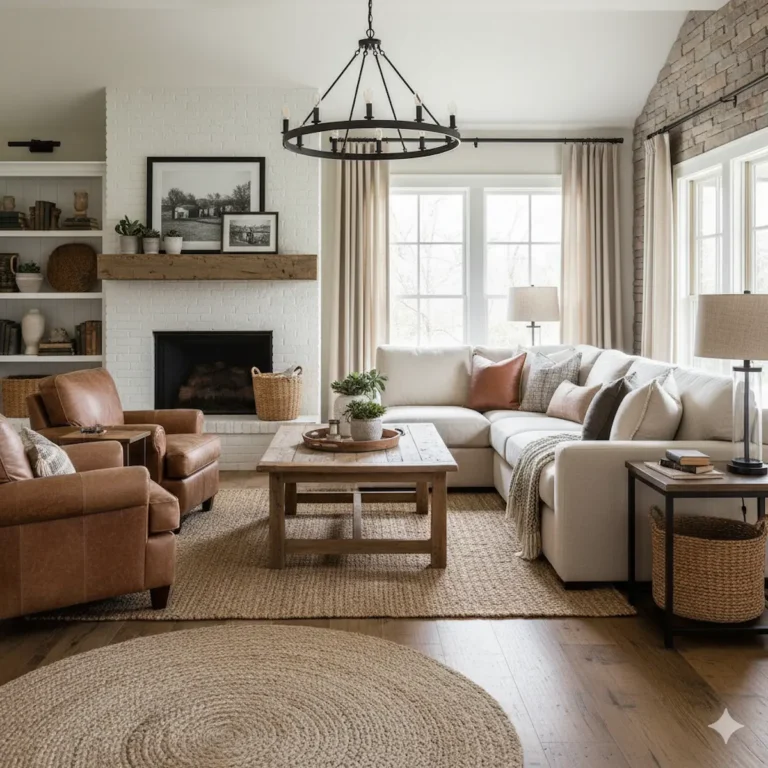
Farmhouse decor blends rustic charm with everyday comfort. Neutral colors and practical furniture dominate the space. Wood beams and vintage accents add character. This style feels welcoming and lived-in. It works well for family homes.
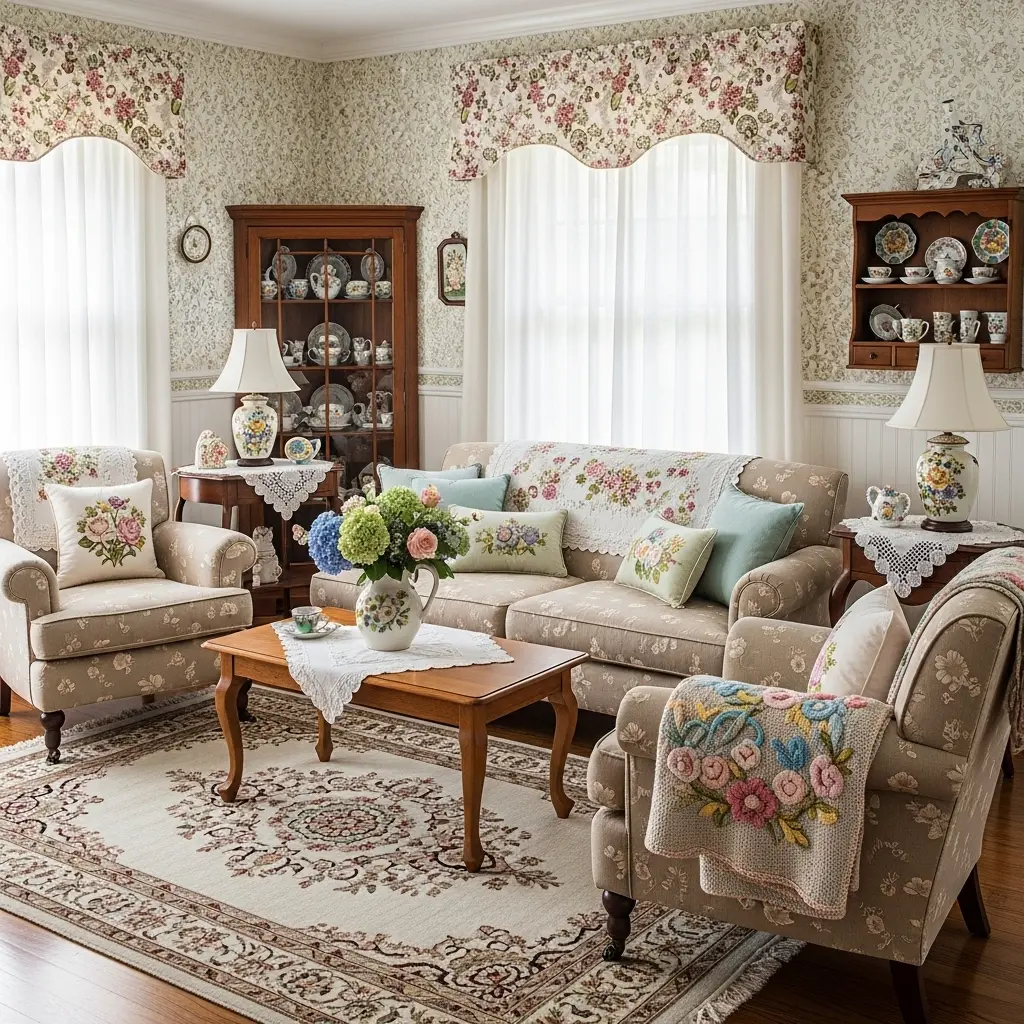
Country Home Decor Style
Country decor focuses on simplicity and tradition. Floral patterns, soft colors, and handmade items are common. The style feels personal and nostalgic. It values comfort over perfection. This makes spaces feel truly lived in.
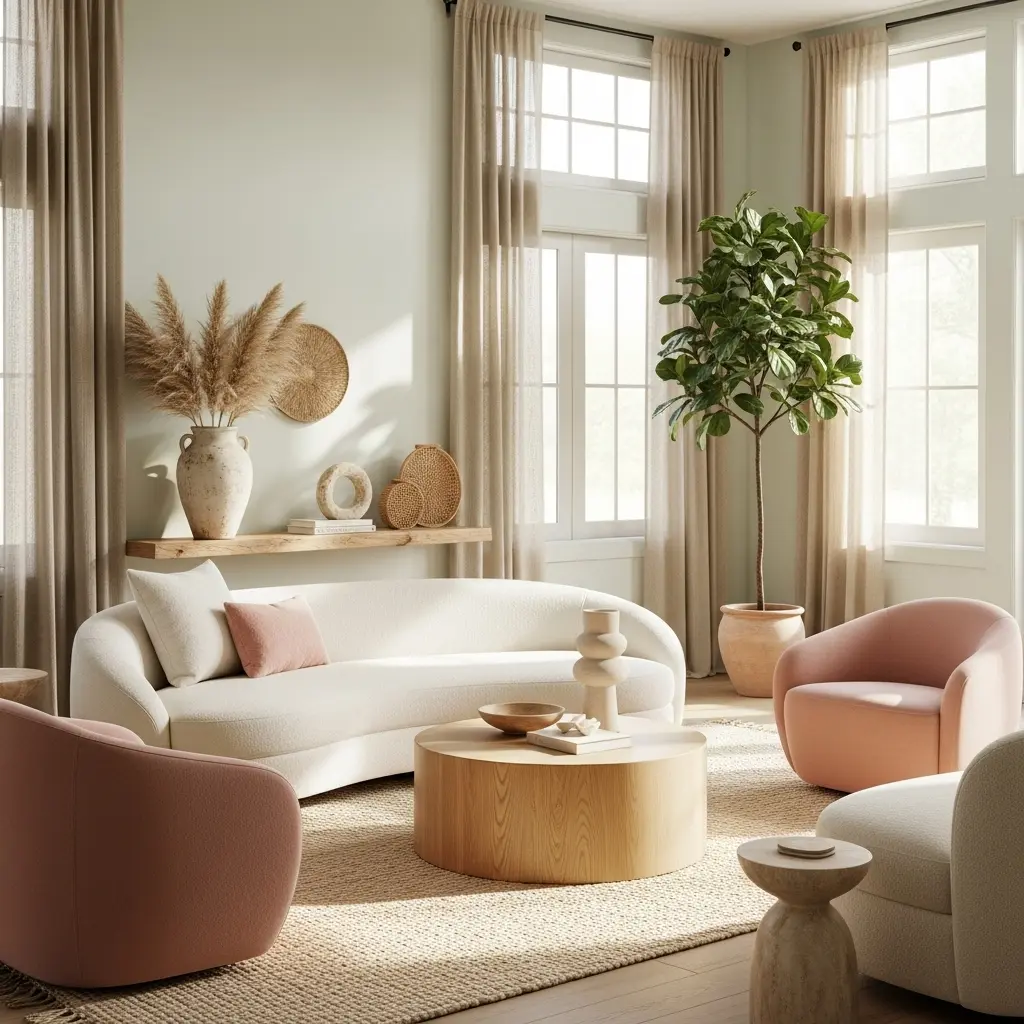
French Country Home Decor Style
French country decor combines elegance with rustic charm. Soft colors and curved furniture define the look. Natural materials add warmth. This style feels refined but relaxed. It suits homes with architectural details.
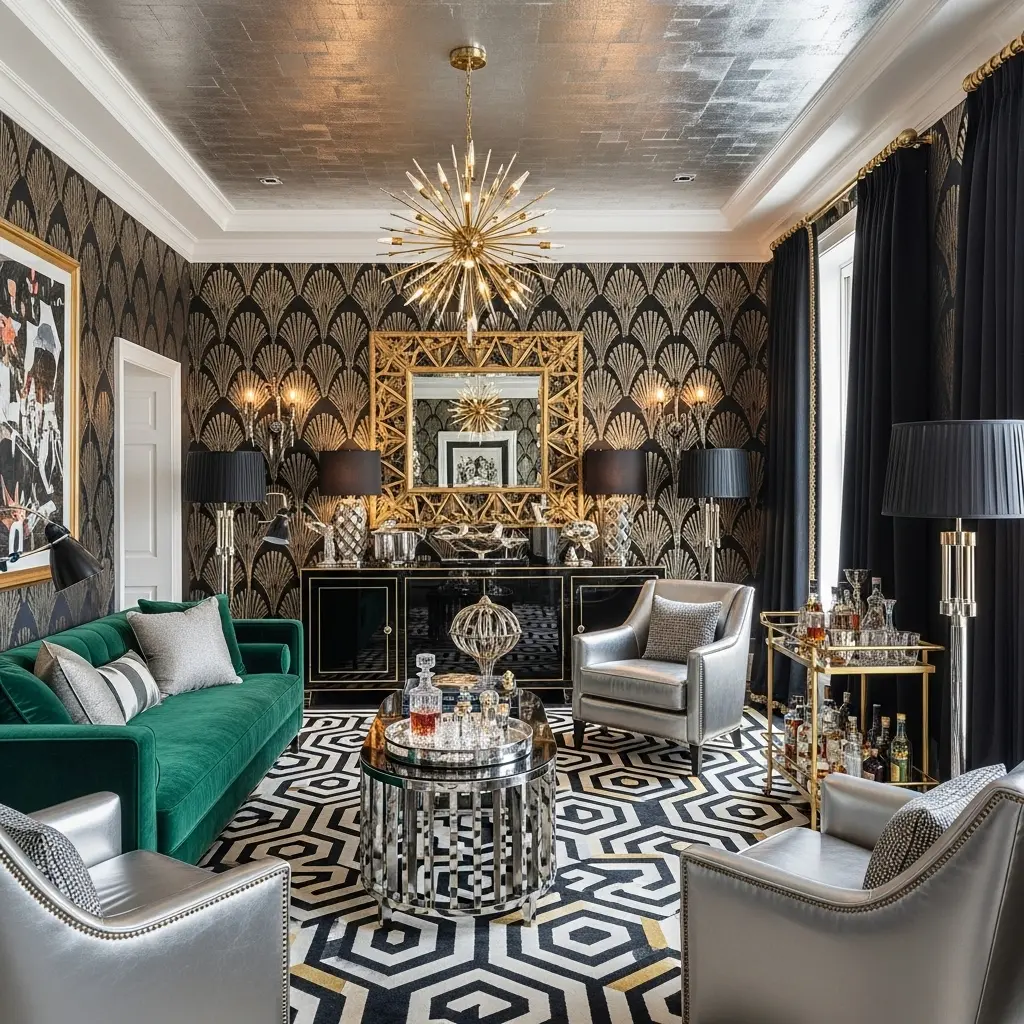
Art Deco Home Decor Style
Art Deco decor celebrates glamour and geometry. Bold shapes and rich materials stand out. Metallic finishes and deep colors add drama. This style feels luxurious and confident. It works well as accent decor.
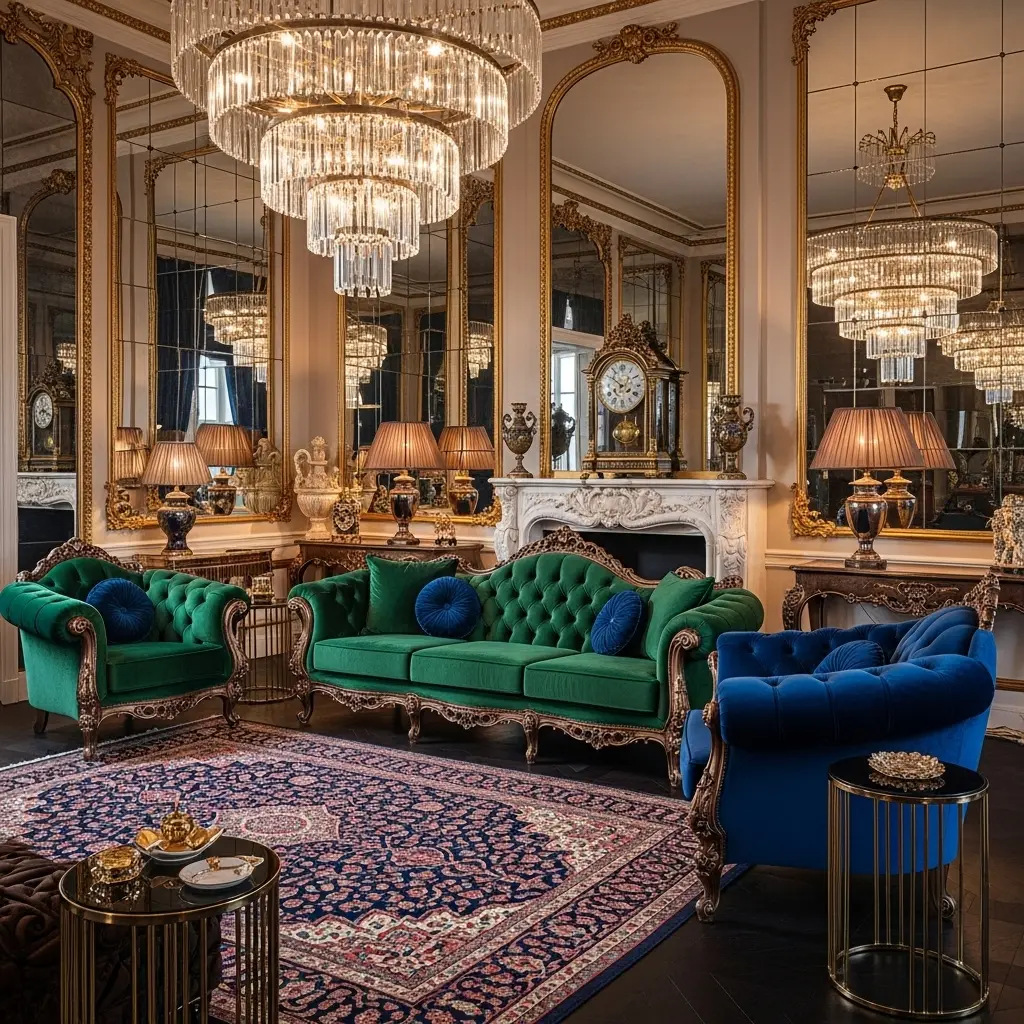
Hollywood Glam Home Decor Style
Hollywood glam decor is inspired by classic luxury. Velvet, mirrors, and polished metals are key elements. The space feels dramatic and refined. This style works best in controlled lighting. It adds instant elegance.
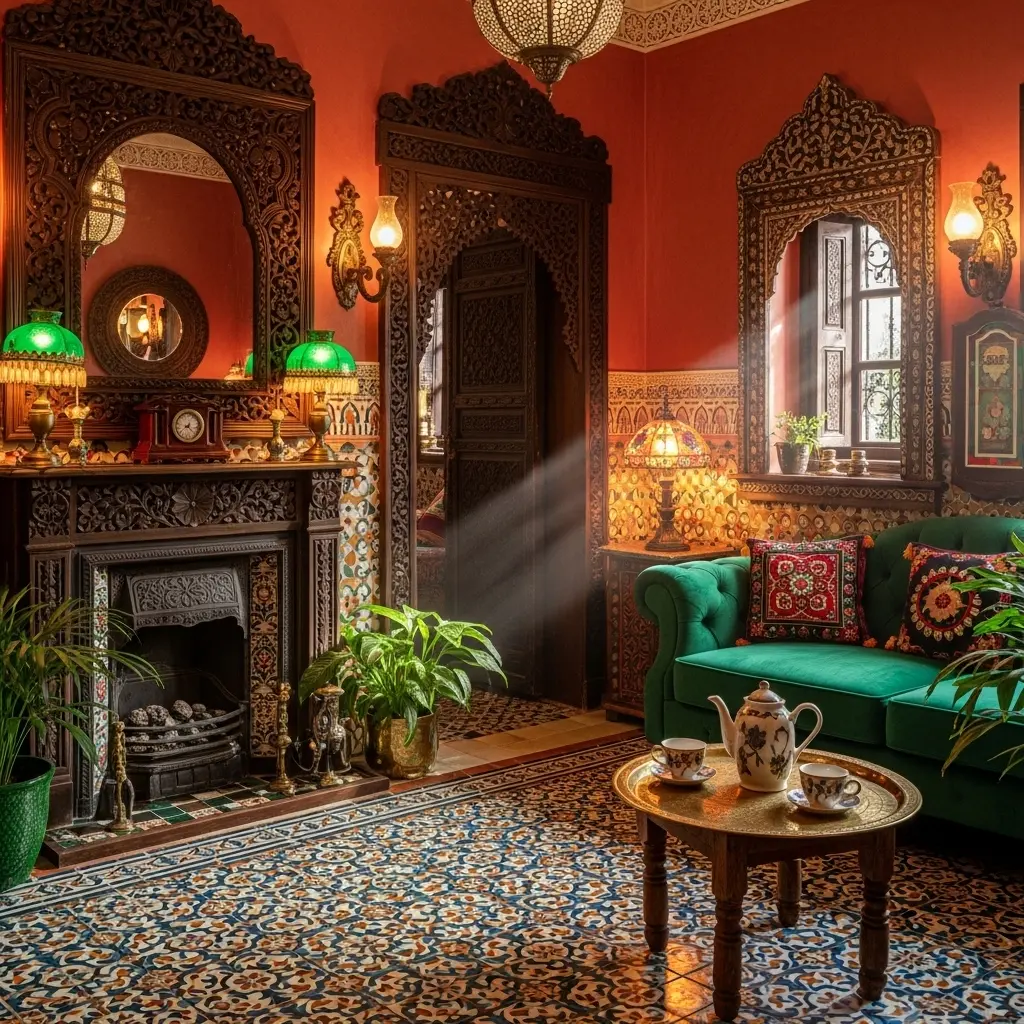
Moroccan Home Decor Style
Moroccan decor is rich in color and pattern. Handcrafted tiles and carved wood are common. Warm lighting creates depth and mood. This style feels artistic and inviting. It suits layered interiors.
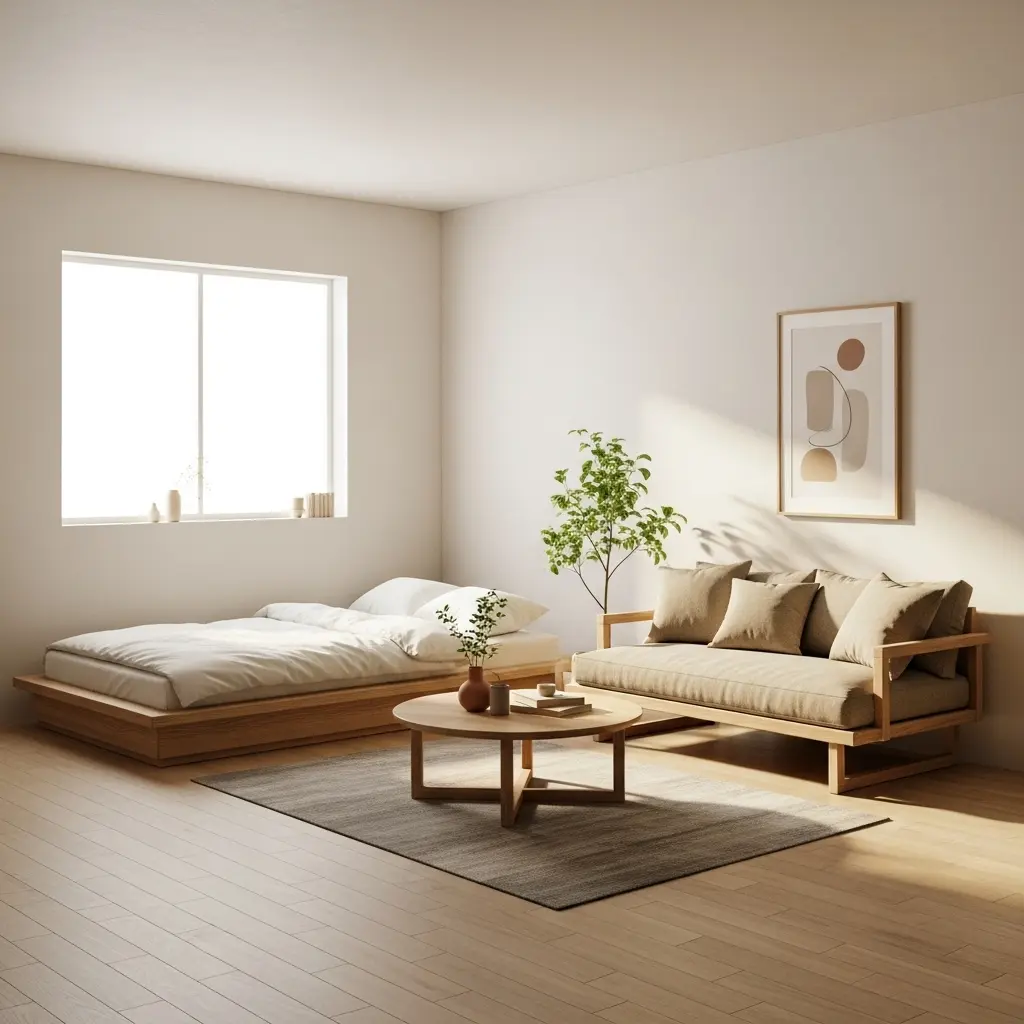
Asian / Zen Home Decor Style
Asian Zen decor focuses on balance and simplicity. Natural materials and low furniture are common. The space feels calm and grounded. This style supports mindfulness. It works well in quiet homes.
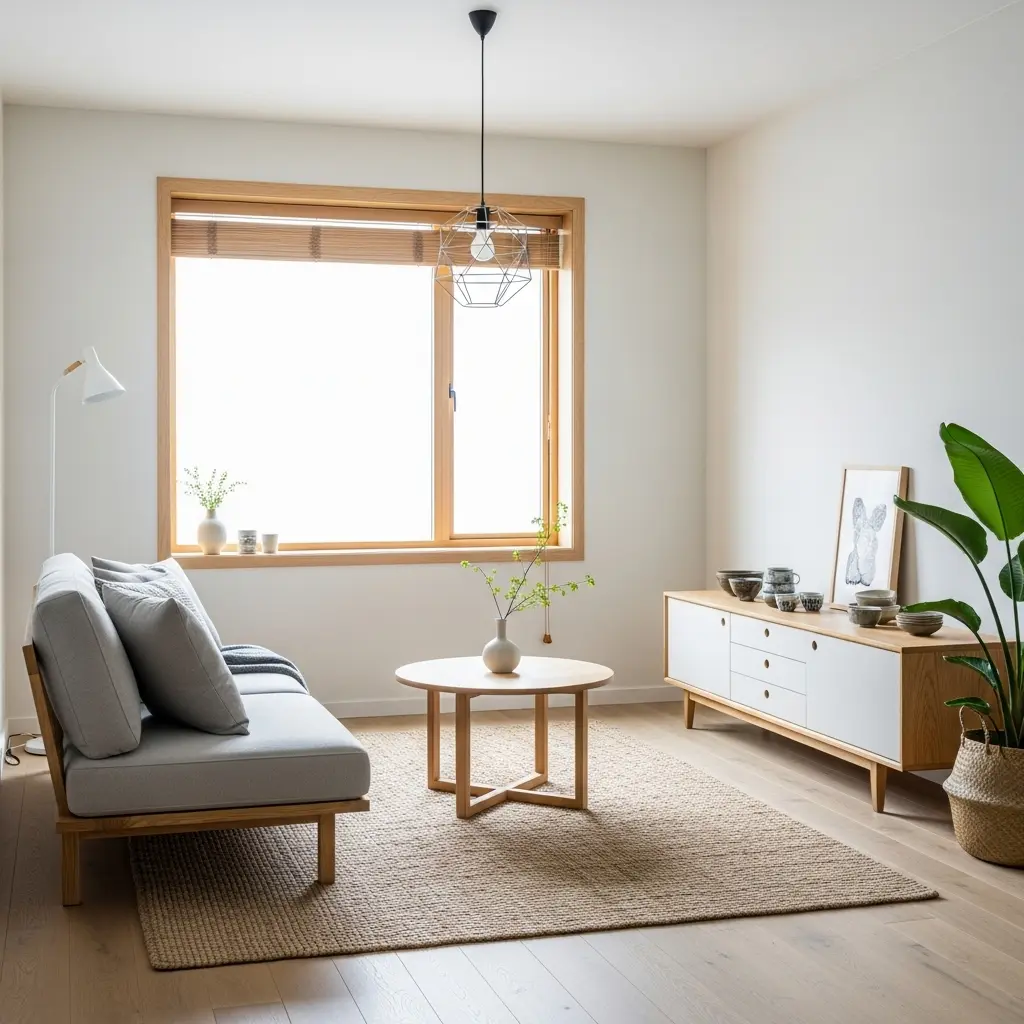
Japandi Home Decor Style
Japandi decor blends Japanese and Scandinavian design. It values craftsmanship and simplicity. Muted tones and clean forms dominate the space. This style feels peaceful and intentional. It suits modern living.
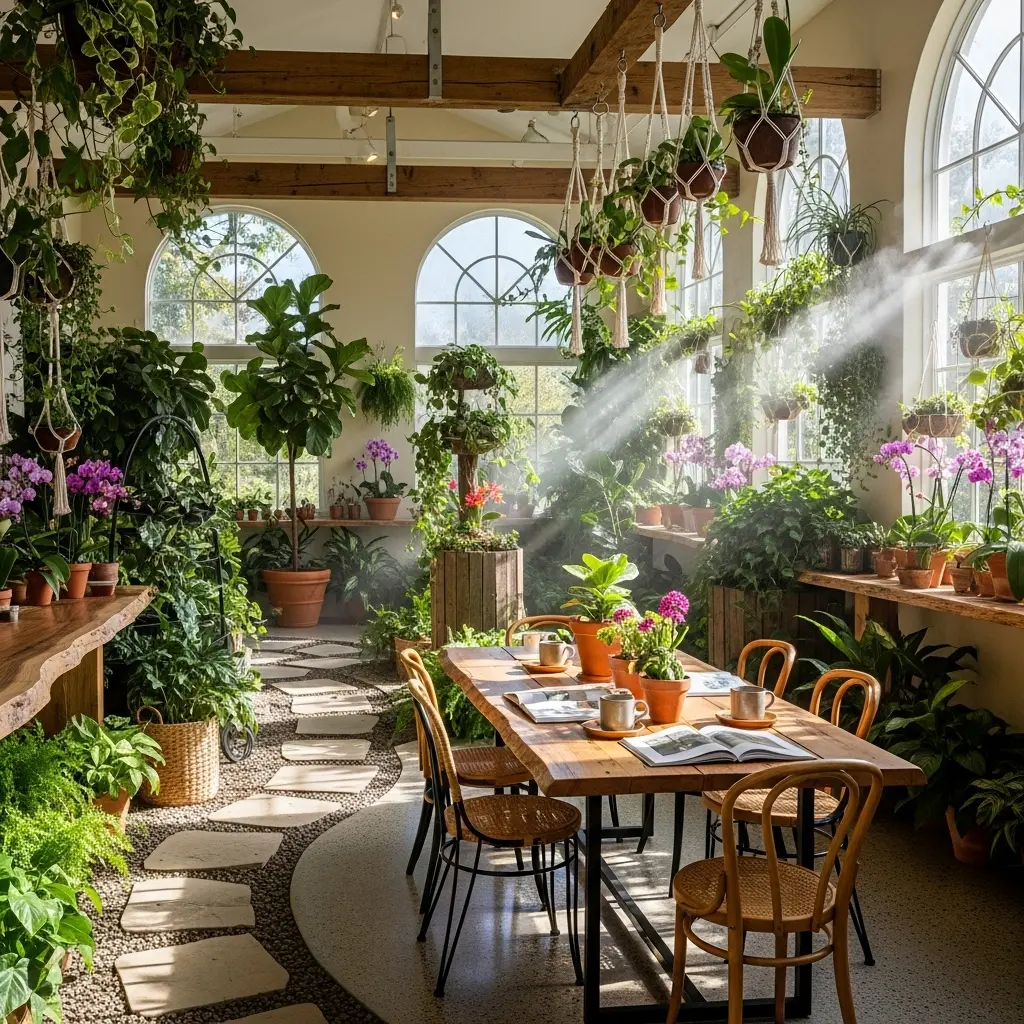
Biophilic Home Decor Style
Biophilic decor connects interiors with nature. Plants, natural light, and organic materials play a key role. This style supports well-being and focus. It works well in urban homes. It brings life indoors.
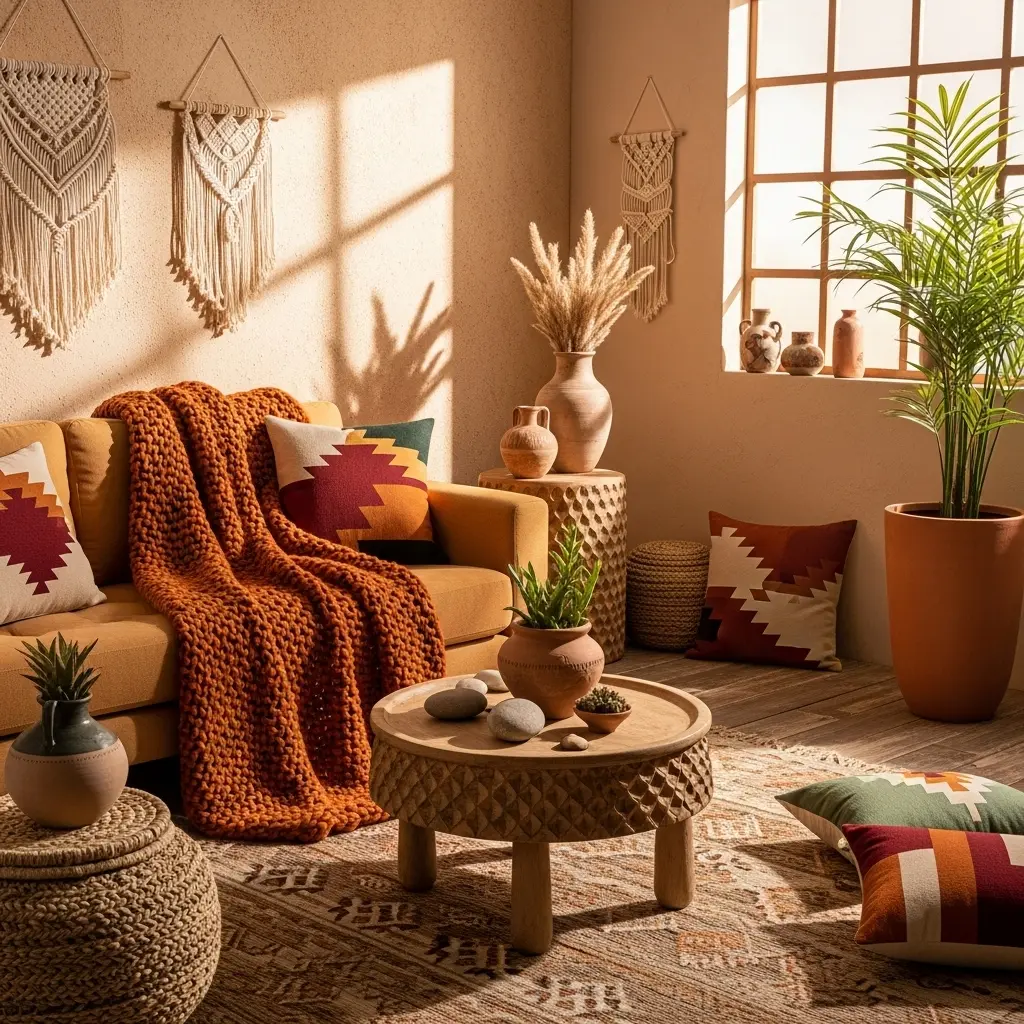
Southwestern Home Decor Style
Southwestern decor draws from desert landscapes. Warm tones and textured materials define the look. Handcrafted elements add authenticity. This style feels grounded and bold. It suits sun-rich spaces.
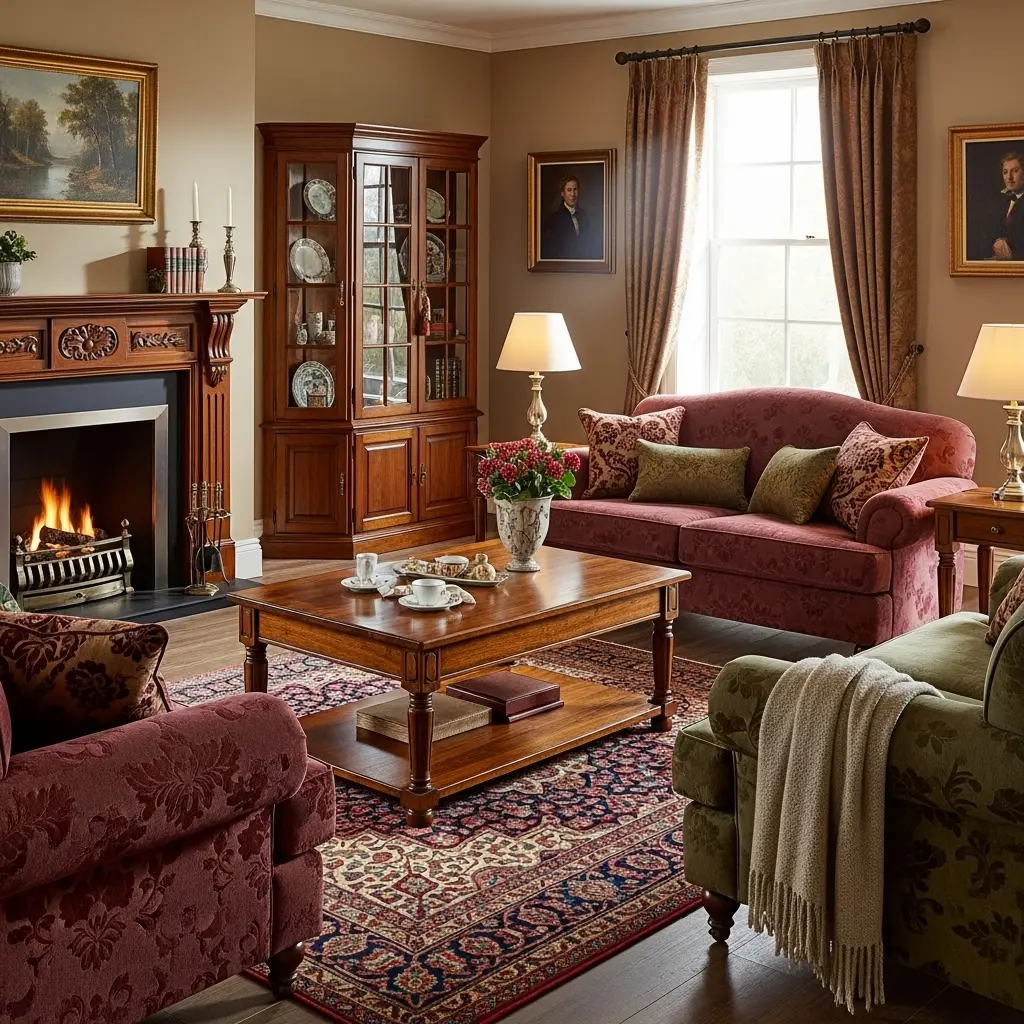
Americana Home Decor Style
Americana decor reflects early American heritage. Wood furniture and classic patterns are common. The style feels nostalgic and honest. It values craftsmanship. This creates a sense of history.
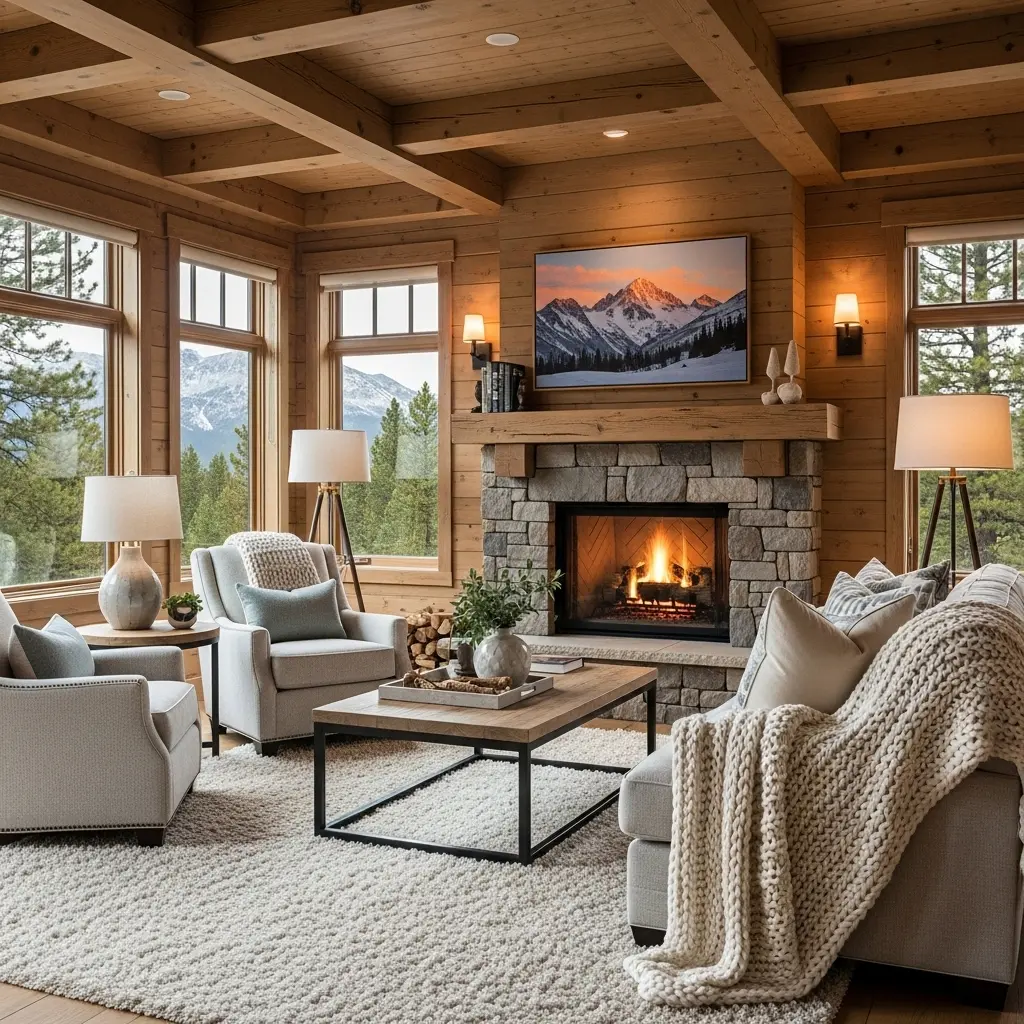
Alpine Chic Home Decor Style
Alpine chic decor blends mountain warmth with modern comfort. Wood textures and soft textiles dominate the space. Neutral tones keep it balanced. This style feels cozy yet refined. It suits colder climates.
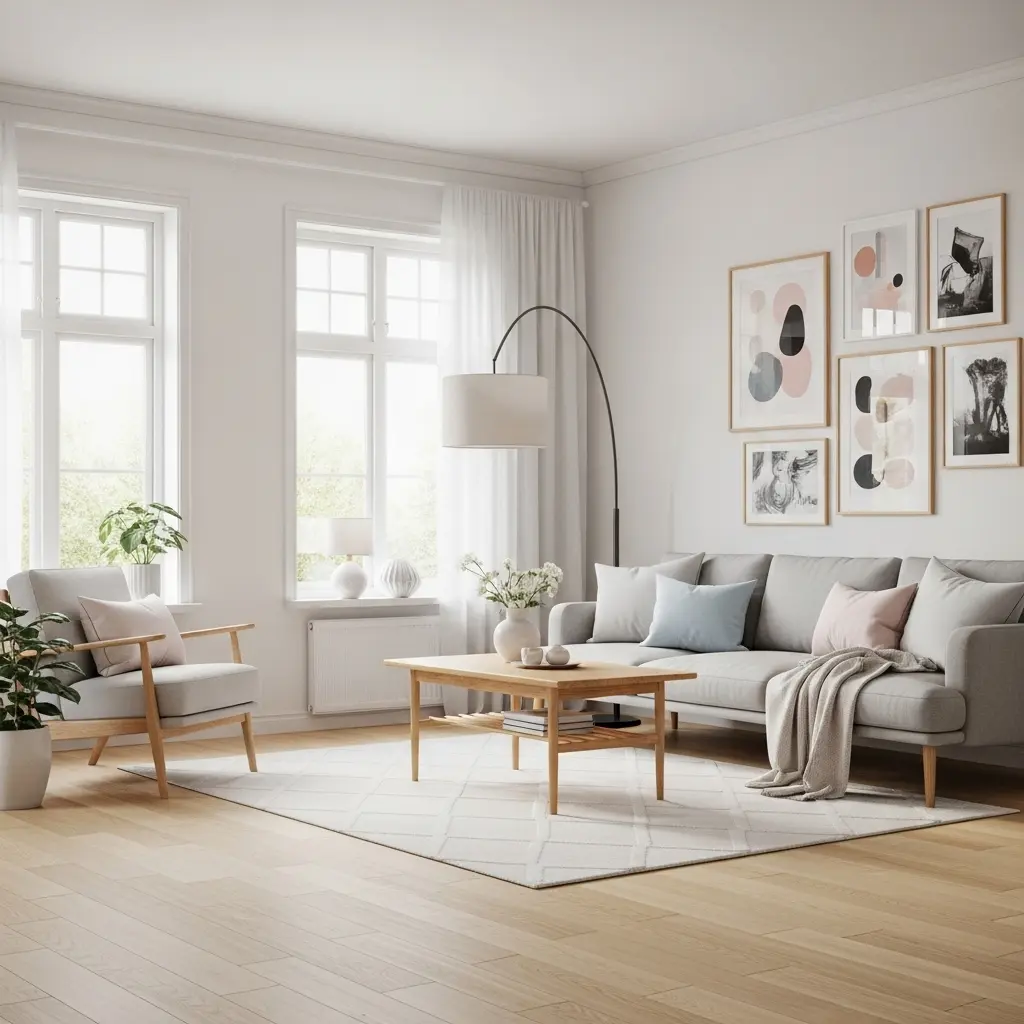
Gustavian Home Decor Style
Gustavian decor comes from Swedish neoclassical design. Soft colors and light wood define the style. The furniture is elegant yet understated. This style feels airy and calm. It works well in bright homes.
How to Choose the Right Home Decor Style for Your Home
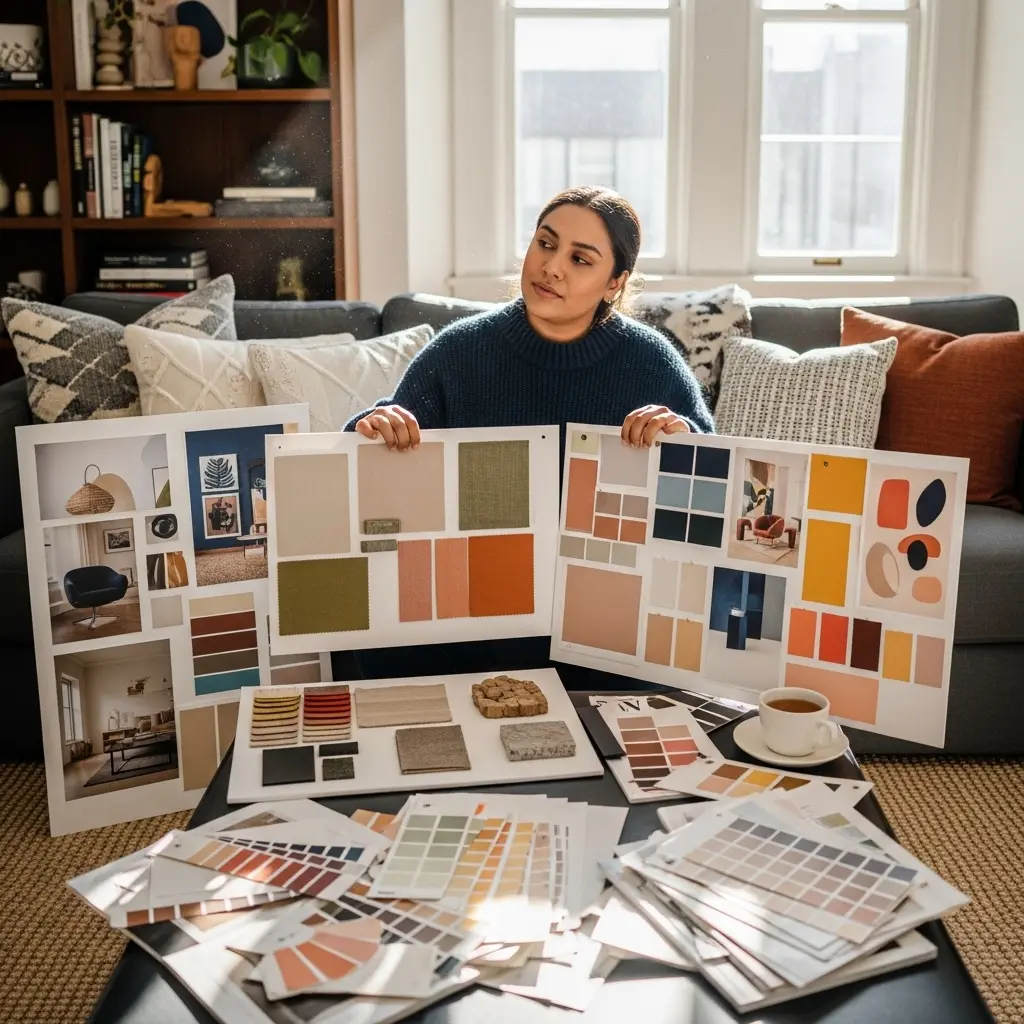
Choosing a decor style starts with lifestyle needs. Think about how you use each space daily. Natural light, room size, and maintenance matter. A good style supports your habits. It should feel comfortable over time.
Can You Mix Different Home Decor Styles?
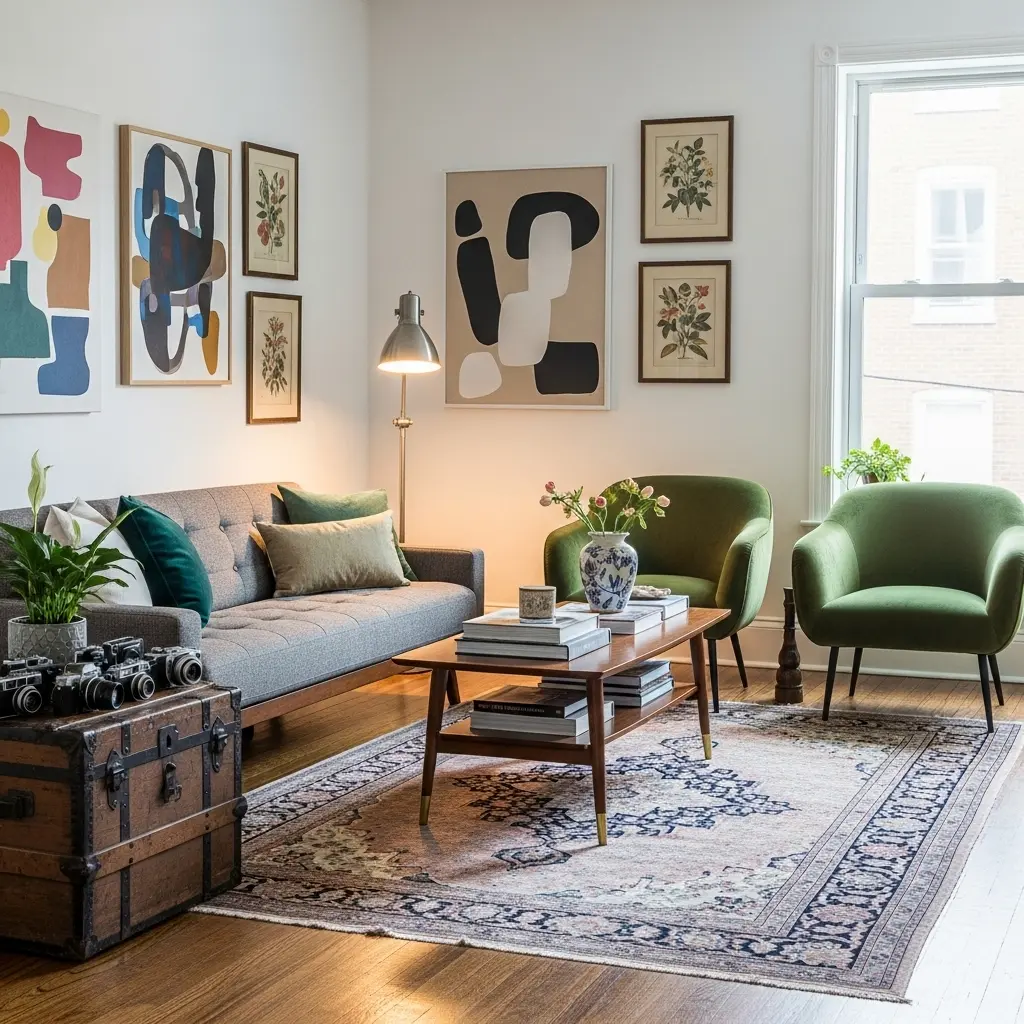
Yes, styles can be mixed with care. A shared color palette helps maintain balance. Repeating materials creates harmony. Mixing styles adds personality. The key is intention, not excess.
What are the different styles for home decor and what are they called?
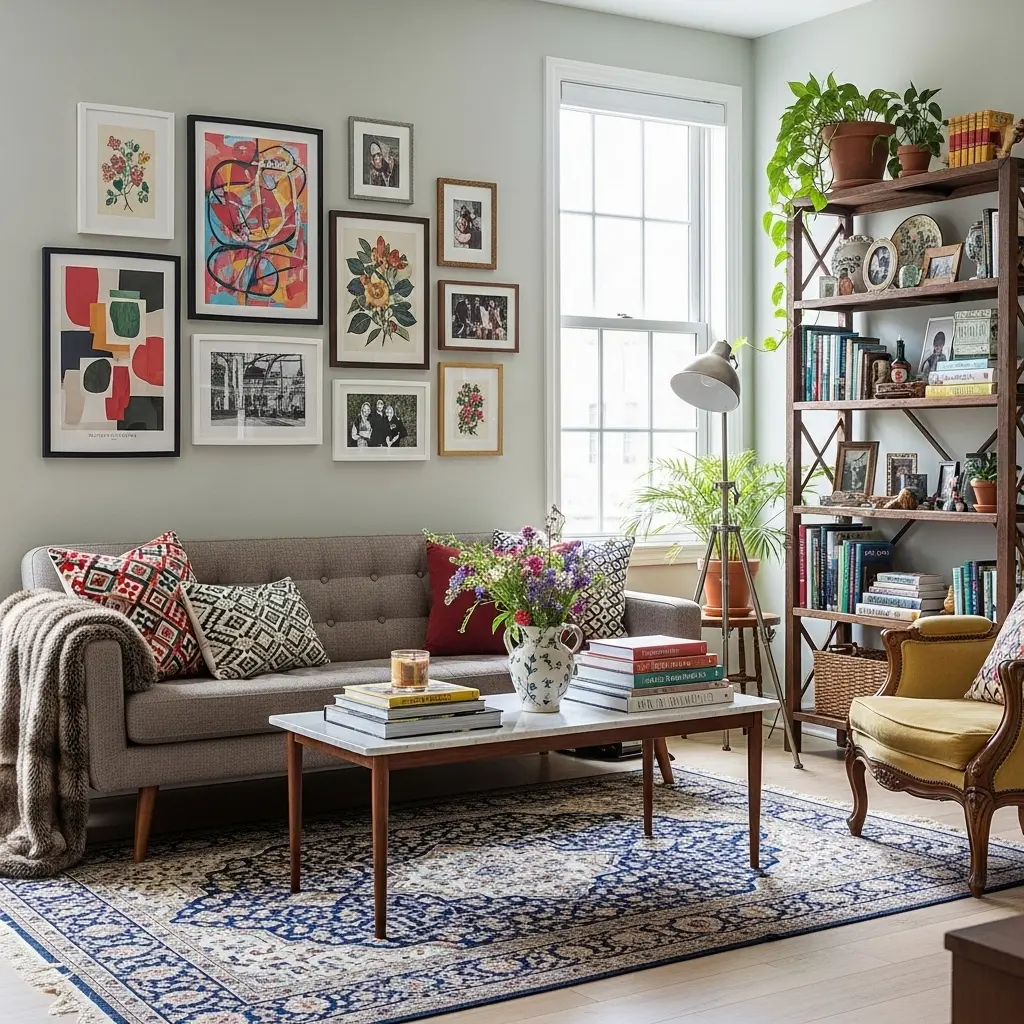
Home decor styles are different design approaches used to decorate living spaces. Common styles include modern, contemporary, traditional, minimalist, Scandinavian, bohemian, industrial, farmhouse, coastal, and mid-century modern. Each style has its own color palette, materials, and furniture shapes. These styles help define the mood and function of a home. Some people follow one style, while others blend multiple styles.
What are the 10 most popular interior design styles today?
The most popular interior design styles are modern, contemporary, minimalist, Scandinavian, mid-century modern, bohemian, farmhouse, industrial, traditional, and coastal. These styles remain popular because they adapt well to different home sizes and lifestyles. Many modern homes mix two or more of these styles. Popularity also depends on comfort, maintenance, and personal taste. Trends evolve, but these styles stay relevant.
How can you find your house decor style?
Finding your decor style starts with observing what feels comfortable to you. Look at spaces where you feel relaxed and inspired. Notice colors, textures, and furniture you naturally like. Your daily habits, family needs, and space size also matter. A good decor style fits your lifestyle, not just your Pinterest board.
What are the 7 basics of interior design?
The seven basics of interior design include space, line, form, light, color, texture, and pattern. These elements work together to create balance and harmony. Space defines movement and comfort. Light affects mood and visibility. Color and texture add depth and emotion. Understanding these basics helps in making better design choices.
What are the different types of decorative design?
Decorative design includes styles that focus on visual expression and function. These include minimalist design, maximalist design, traditional decorative design, modern decorative design, and eclectic decorative design. Each type uses decoration differently, from simple and clean to bold and layered. The goal is always to enhance the space without overwhelming it.
What are the four main methods of decorating a home?
The four main decorating methods are structural decorating, surface decorating, furniture-based decorating, and accessory decorating. Structural decorating focuses on layout and architecture. Surface decorating includes walls and floors. Furniture decorating shapes function and flow. Accessories add personality and detail to the space.
What is the 70/30 rule in interior design?
The 70/30 rule means balancing two design styles in one space. Seventy percent of the room follows one dominant style, while thirty percent introduces a secondary style. This creates visual interest without confusion. The rule helps when mixing modern and traditional or minimalist and bohemian styles. It keeps the space cohesive.
What is the 80/20 rule in interior design?
The 80/20 rule focuses on simplicity and impact. Eighty percent of the room stays neutral and calm, while twenty percent adds contrast through color, texture, or decor. This approach prevents visual overload. It also makes spaces easier to update over time. Small changes can refresh the entire room.
What are the new trends in home decor?
New home decor trends focus on comfort, sustainability, and personal expression. Natural materials like wood and stone are widely used. Warm neutrals are replacing cool greys. Biophilic design, curved furniture, and layered lighting are also popular. Homes now reflect lifestyle more than luxury.
What are the different decorating styles and how do they connect?
Decorating styles are different ways of expressing design preferences. Styles like modern, traditional, rustic, and eclectic are connected through shared design principles. Many homes blend styles instead of following one strict look. Understanding how styles relate helps in creating balanced and personal spaces. Good design always feels intentional.
Final Thoughts on Types of Home Decor Styles
Home decor styles are tools, not rules. They help guide design decisions. The best homes reflect real life and personal comfort. Trends may change, but thoughtful design lasts. Choose what feels right for you.