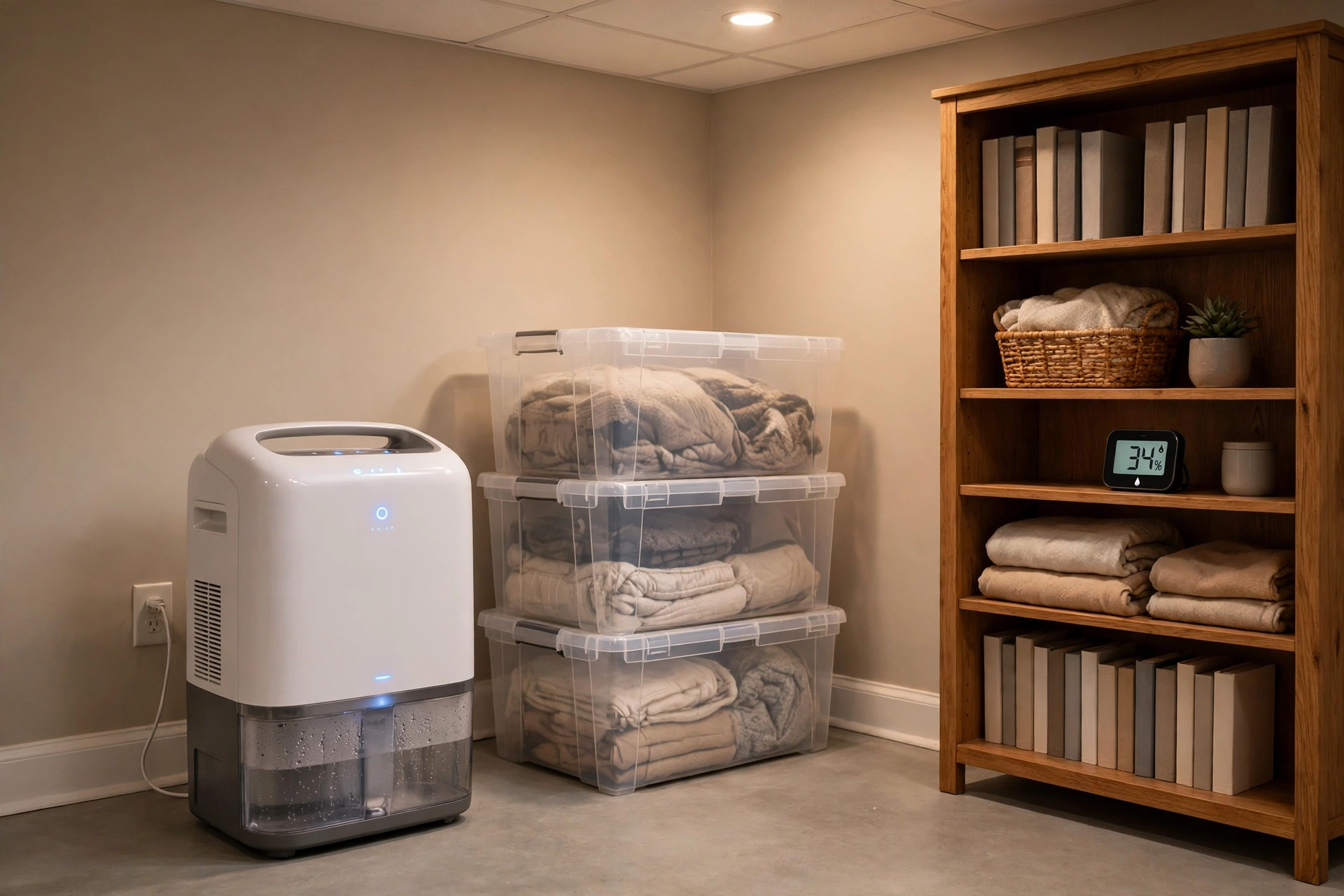
You spot it at midnight: a tiny silver torpedo sliding across the bathroom wall, gone the second the light hits it. That is a silverfish — and where there is one, there is usually a family. Sprays feel like the obvious answer, but they miss the real one. Silverfish are not invading your home for food scraps; they are there for the humidity. Take the moisture away with a dehumidifier for silverfish control, and you take away their reason to exist — no chemicals, no repeat spraying, no smell.
This guide explains exactly how it works: the humidity silverfish need to survive, the level that drives them out, how to set up a dehumidifier room by room, and the supporting habits that make sure they never come back.
What Are Silverfish, and Are They Bad?
Silverfish are small, wingless, silver-grey insects — classic house insects. Silverfish have lived alongside humans for centuries, hiding in dark, damp places by day and feeding at night on paper, book glue, cardboard, cotton, linen, and even wallpaper paste. So, are silverfish bad? For your health, mostly no: they do not bite, sting, or spread disease. For your belongings, unfortunately yes: a quiet population can chew through book bindings, stored photos, clothing, and pantry goods, and their shed scales can aggravate dust allergies. Think of them less as an emergency and more as a warning light — your home has a moisture problem, and they are the messenger.
Do Silverfish Bite? (The Question Everyone Asks First)
Do silverfish insects bite people? No. Their mouthparts are built for scraping starches and cellulose, not skin. They are also not parasitic and want nothing to do with you — the midnight sightings happen because they flee light, not because they hunt. The real damage is to paper and natural fabrics, which is why the fix below focuses on their habitat, not on killing individual bugs.
Why Humidity Is the Whole Battle
Here is the fact pest-control advice often buries: silverfish can only thrive where relative humidity stays high — ideally above 75% for breeding, and they struggle to survive for long below 50%. They absorb water from the air itself; dry air literally dehydrates them and stops eggs from developing. That is why they cluster in bathrooms, basements, laundry rooms, and kitchens, and why a sprayed corner stays bug-free for a week while the population behind the wall carries on.
Change the air, and you change the outcome — permanently. That is the dehumidifier’s job.
How a Dehumidifier Gets Rid of Silverfish
A dehumidifier for silverfish does three things no spray can:
- It makes the room unlivable for them. Hold the space at 30–50% relative humidity — 45% is the sweet spot — and adults weaken, feeding slows, and reproduction stops.
- It reaches where sprays cannot. Dry air penetrates baseboards, closets, and wall-adjacent storage — the exact harborage zones silverfish actually live in.
- It keeps working. A spray fades; controlled humidity is a permanent change in conditions, so new silverfish moving in find nothing to live on.
One honesty note before you shop: a dehumidifier changes conditions over days, not minutes. Expect sightings to taper over 1–3 weeks of consistent low humidity, because eggs already in cracks must cycle out. Anyone promising overnight results is selling you a spray.
Setting Up Your Dehumidifier for Silverfish, Room by Room
- Basement (the headquarters): run a full-size unit with continuous drain or pump — this is where most infestations anchor. If you are choosing one, our guide to picking the right basement dehumidifier covers sizing and drainage.
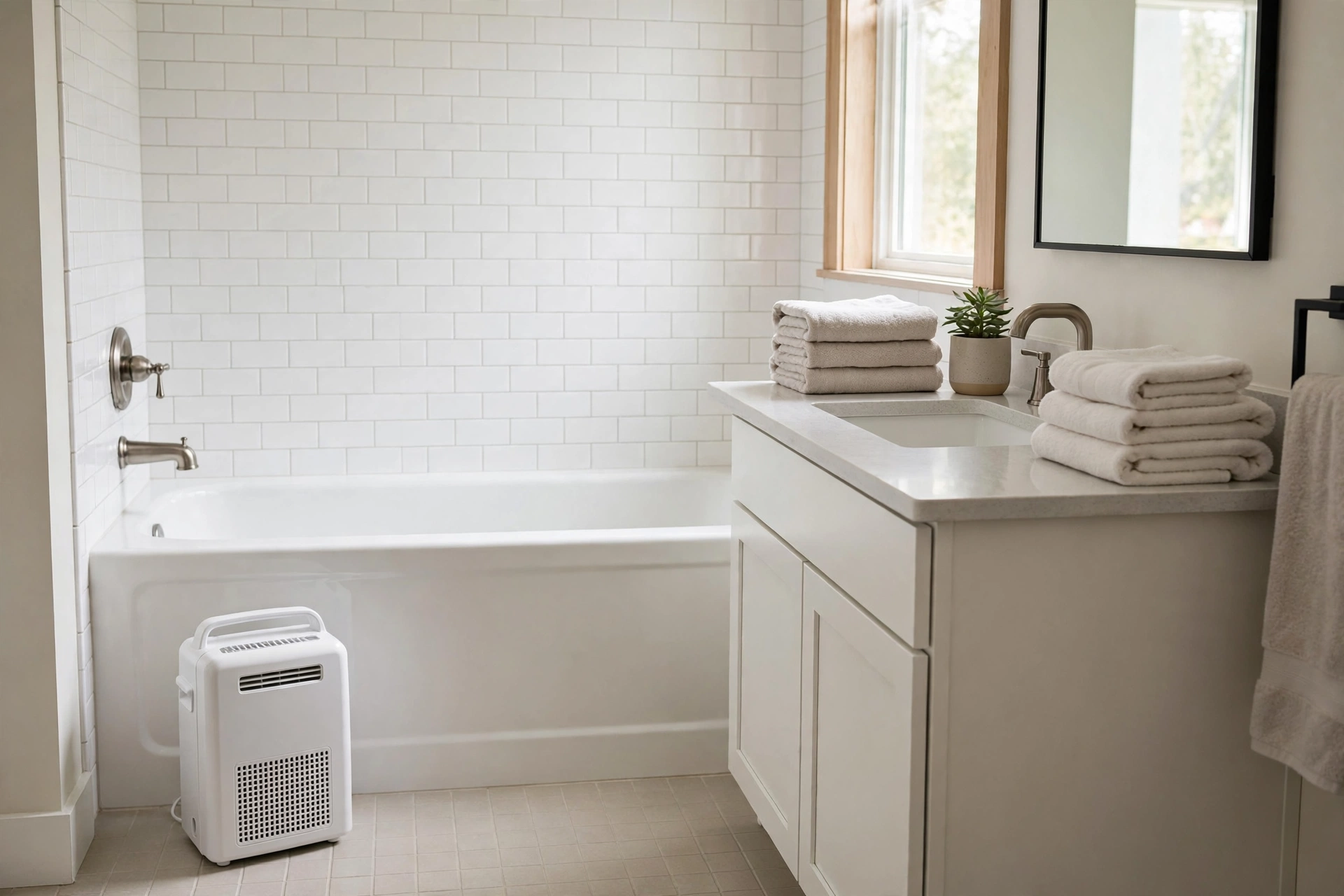
- Bathroom: a small unit or a strong exhaust habit; run the dehumidifier for silverfish control after showers until humidity drops under 50%.
- Bedroom and closets: a compact, quiet unit at 45%; keep closet doors ajar so dry air circulates to stored clothing.
- Kitchen and pantry: fix under-sink drips first, then hold the room near 50% and store flour and cereals in sealed containers.
Set the humidistat once and let it hold the line — constant adjustments slow everything down. If progress feels slow, check the basics in our dehumidifier productivity tips before assuming the machine is too small.
The Supporting Routine: Starve, Seal, and Sweep
Humidity control does the heavy lifting, but these habits finish the job — this is silverfish how to get rid of them completely, not just discourage them:
- Remove the food: swap cardboard boxes for sealed plastic bins; store books, photos, and papers off floors and away from damp walls.
- Declutter the dark zones: piles of newspaper, magazines, and fabric in corners are silverfish housing. Thin them out.
- Seal the highways: caulk gaps along baseboards, around pipes, and at window frames — their travel routes between rooms.
- Vacuum cracks and seams: a weekly pass along baseboards and closet edges removes eggs and food dust in one go.
- Fix the water: dripping faucets, sweating pipes, and slow leaks are silverfish water fountains. Repair them and ventilate bathrooms during and after showers.
How to Get Rid of Silverfish Naturally (Extras That Help)
Wondering how can I get rid of silverfish naturally while the dehumidifier does its work? These are honest helpers — they repel and trap, but remember they support humidity control rather than replace it:
- Essential oils: cedarwood, lavender, and peppermint on cotton balls in closets and drawers act as repellents. Refresh weekly; expect deterrence, not extermination.
- The glass-jar trap: wrap a jar in masking tape (so they can climb), bait it with a piece of bread or cereal, and leave it overnight near sightings. They climb in and cannot climb out of the smooth glass.
- Diatomaceous earth (food grade): a thin line in dry corners and under appliances damages their exoskeleton on contact. Keep it dry — wet DE does nothing — and away from where kids and pets play.
- Black silverfish-like bugs: if the “silverfish” you see are jet black, they may be a different pantry or carpet pest — the humidity routine still helps most damp-loving insects, but identify first if damage looks unusual.
How Long Until They Are Gone?
With humidity held at 30–50%: expect noticeably fewer sightings within 1–2 weeks, and a collapsed population by week 3–4. Two traps to avoid: giving up after a few dry days (eggs laid earlier will still hatch once — that final wave is normal, not failure), and fixing one room while the basement stays swampy (they simply commute). Dry the whole map, especially the dampest room, and hold it through a full month — that steady routine is what makes a dehumidifier for silverfish control permanent instead of temporary. Our guide on basement moisture control goes deeper on stubborn spaces.
A friend kept a beautiful shelf of old books in her basement until silverfish lace-worked the bindings. Three weeks with a dehumidifier at 45% and plastic bins for storage — she has not seen one in a year.
Dehumidifier for Silverfish FAQs
Will a dehumidifier get rid of silverfish on its own?
In most homes, yes — a dehumidifier for silverfish works when it holds the infested rooms at 30–50% humidity for several weeks. Pair it with decluttering paper and sealing cracks for heavy infestations, and results come faster and last.
What humidity level kills silverfish?
Silverfish cannot sustain a population below about 50% relative humidity; 45% or lower is the practical target. They thrive above 75%, which is why bathrooms and basements are their strongholds.
Are silverfish harmful to humans or pets?
They do not bite, sting, or carry disease, and they are not toxic to pets. The harm is to belongings — paper, books, natural fabrics, and stored food packaging — plus possible allergy irritation from their shed scales.
Where do silverfish hide during the day?
Dark, damp, undisturbed places: behind baseboards, inside wall voids near plumbing, under sinks, in cardboard storage, and along the edges of bookshelves and closets. That is why room-wide humidity control beats spot spraying.