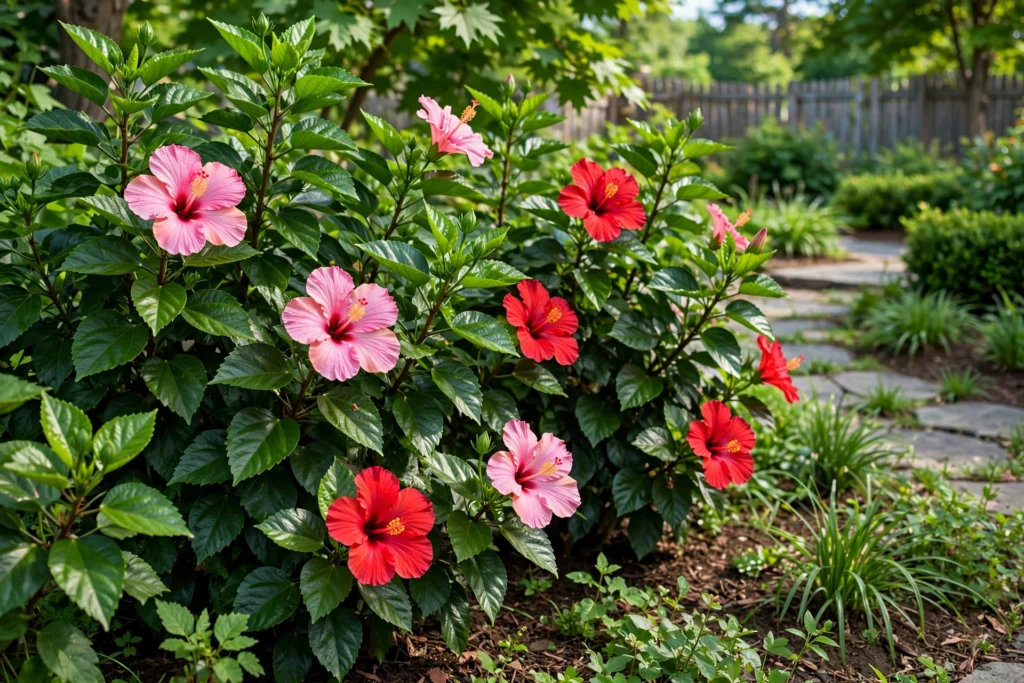
There are so many wonderful hibiscus flowers, and most people think that they only grow in tropical regions, but they don’t! But the reality is that, though hibiscus enjoys warmth, it’s far more tolerant than most realize.
With proper care, hibiscus can flourish in many climates, including some cooler areas. So whether you want a bit of cheer in the garden, to steep some tea, or just enjoy its company, hibiscus is a versatile plant that can add joy to any space.
Hibiscus: An Amazing Bloomer A Multifunctional Plant
Hibiscus isn’t just for show. The flowers have been utilized in many different ways for centuries. A widely popular use is hibiscus tea. This tea is high in antioxidants and has a tart, fruity flavor.
Hibiscus is also wonderful for your skin. So, if you want a plant that serves you as much as it pleases you, hibiscus is the plant for you!
An Hibiscus in Your Garden: Where to Plant
Here is what you need to do for your hibiscus to flourish: Hibiscus prefers planting in full sun; a minimum of 6 to 8 hours of direct sunlight daily is ideal. It does not like to go into the shade for long.
If you’re growing it in a pot, put the pot somewhere that receives plenty of sunlight—a sunny window indoors or a bright spot on your patio outdoors. Also, just ensure that the soil drains well because hibiscus does not enjoy being in wet conditions for too long.
Hibiscus Around the World: Beyond a Beautiful Flower
Hibiscus is adored all over the world, both for its aesthetics and its culture. It is used in traditional medicines and rituals in many parts of the world.
—it’sIt is associated with femininity, beauty, and strength in some regions. It’s also used to make natural dyes for fabrics and is an ingredient in some culinary dishes. From food and drinks to beauty treatments, hibiscus has secured its role in various facets of life.
Hibiscus: An Amazing Bloomer, a Multifunctional Plant, a No-Brainer to Grow, and a Stunner to Enjoy
So is hibiscus a good choice for you? If you’re in the market for a striking plant that livens up your home, provides health benefits, and is relatively easy to maintain, hibiscus is a great option.
Planted in the ground or potted up, this adaptable flower can pretty much grow in a range of habitats. And with its uses spanning health, beauty, and even cooking, hibiscus is more than just a pretty face — it’s a plant that gives back.
Planting hibiscus means bringing a flower into your life, a beautiful one at that, but it also means planting a multi-use, potential-filled flower. So, why not experiment a little and see how many shades of hibiscus can illuminate your own corner?
Hibiscus Care Tips: Easier Than You Think
One common misconception is that hibiscus is fussy. In reality, it’s fairly easy to maintain once you know the basics:
Sunlight: Plant in a spot with 6–8 hours of direct sunlight daily — a sunny window indoors or a bright patio spot works.
Watering: Keep the soil consistently moist but never soggy. Regular watering is key; just don’t overdo it.
Soil & feeding: Slightly acidic, well-drained soil plus a monthly dose of fertilizer keeps blooms coming. Periodic pruning encourages even more flowers.
When to plant: Plant in spring after the last frost, once nights stay above 50°F (10°C).
Hibiscus Benefits for Health: What to Know
Beyond the garden, hibiscus boasts real wellness perks. Rich in vitamin C and antioxidants, hibiscus tea fights free radicals and makes a tart, refreshing drink. It’s been used in traditional remedies across cultures for generations.
Hibiscus FAQs
Are hibiscus perennial or annual?
It depends on the type and climate. Tropical hibiscus is perennial in warm zones (9–11) but grown as an annual elsewhere; hardy hibiscus returns year after year in colder regions.
Do hibiscus survive winter outdoors?
Tropical varieties won’t survive freezing — bring pots indoors before frost. Hardy hibiscus dies back in winter and regrows in spring.
How much sun do hibiscus need?
At least 6–8 hours of direct sun daily for the best blooms.
Love easy-care plants? Also see our Sansevieria guide and home garden tips.
Hardy Hibiscus vs Tropical Hibiscus
The two main types behave very differently. Hardy hibiscus (Hibiscus moscheutos) survives winter down to USDA zone 4, dies back to the ground, and returns with dinner-plate blooms up to 12 inches wide. Tropical hibiscus (Hibiscus rosa-sinensis) blooms nearly year-round but must come indoors when temperatures drop below 50°F. Choose hardy for in-ground beds in cold climates, tropical for pots and warm zones.
Hibiscus Fertilizer: Feeding for More Blooms
Hibiscus are heavy feeders. Use a balanced fertilizer with extra potassium (like 10-10-20) every 2–3 weeks in the growing season, and water deeply after feeding. Yellow leaves usually mean hunger or poor drainage — check both before adding more feed. Ease off in winter when growth slows.
Prefer low-maintenance indoor plants instead? Meet the sansevieria (snake plant) — nearly impossible to kill.